53,00 €Precio base-19,00 €72,00 €Precio








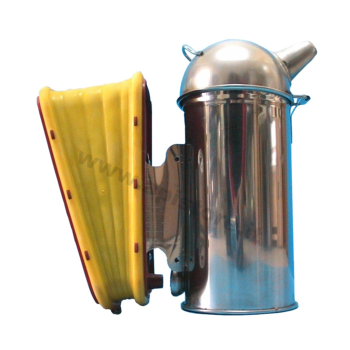


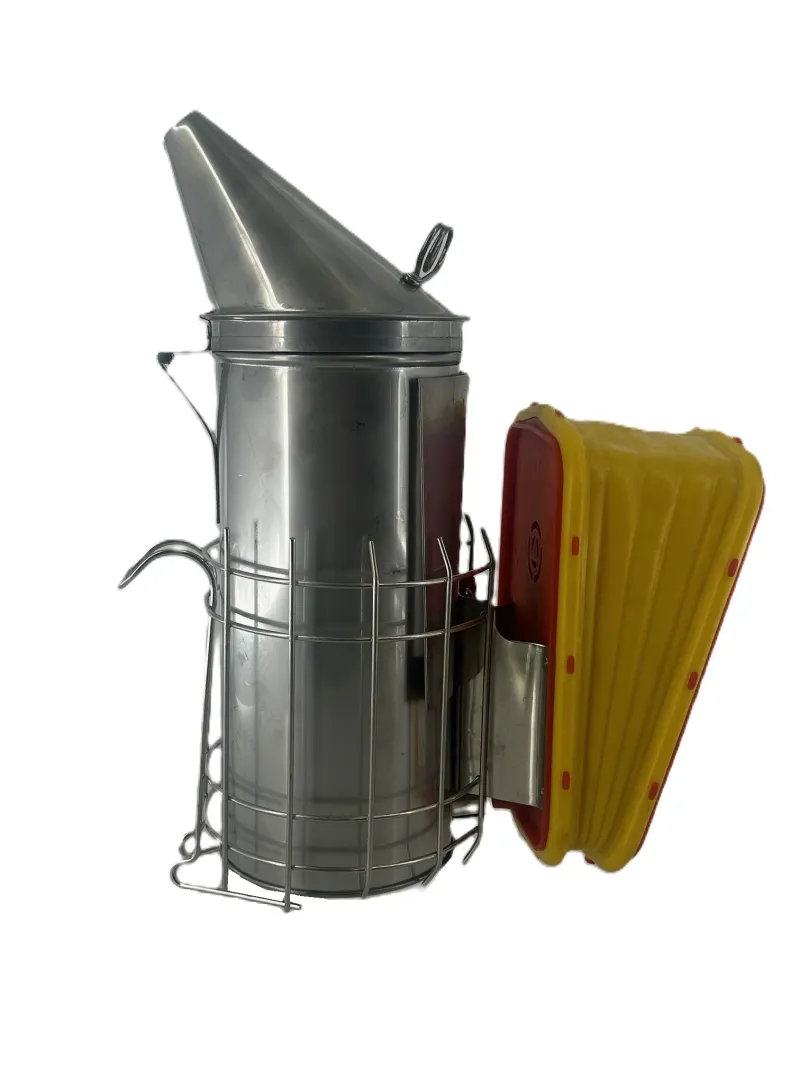

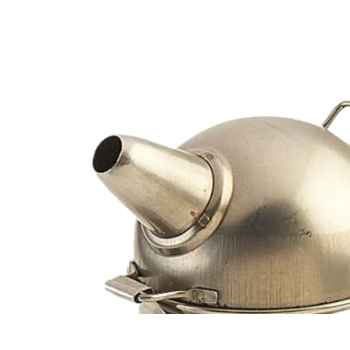
Ahumador de 10 cm de diámetro con pico de 24 cm de altura en acero inoxidable, con protección antiquemaduras (código FO 2902) y fuelle de caucho de silicona
(código QI M34)
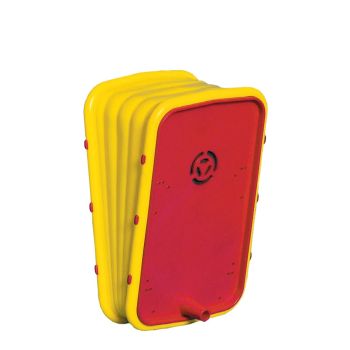
Funda de goma de silicona (también disponible como pieza de recambio código QI M34), reforzada con nervaduras y adaptable a cualquier tipo de ahumador.
Red de protección antiquemaduras extraíbleAlmohadas de nylon resistentes al calor y reforzadas con fibra de vidrio
Válvula de succión de silicona
Almohada trasera, pretaladrada para atornillar el cuerpo al ahumador - adaptable a cualquier modelo.
Carrilleras de nylon, reforzadas con fibra de vidrio, resistentes al calorVálvula de succión de siliconaCarrillera trasera, pretaladrada para atornillar el cuerpo al ahumador (adaptable a cualquier modelo) Transportador de aire
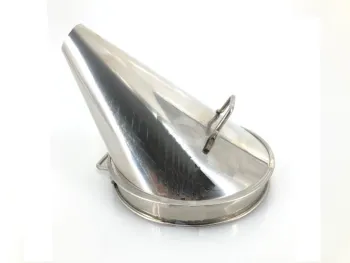
Red antiquemaduras de recambio de acero inoxidable, montable entre sí. Adaptable a ahumadores de 10 cm de diámetro
Rejilla inferior de recambio de acero inoxidable, para utilizar con ahumadores de 10 cm de diámetro. Indispensable para permitir la combustión
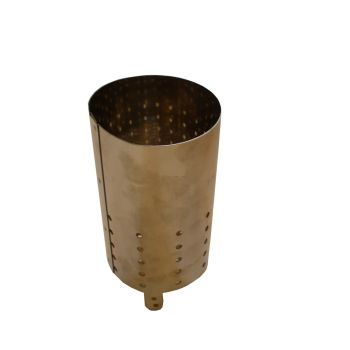
Recipiente cilíndrico de acero inoxidable para ahumadores de 10 cm de diámetro, indispensable para utilizar combustibles de pellets
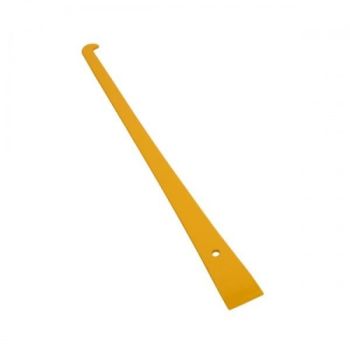
Espátula larga y resistente de acero inoxidable para ayudar al apicultor a abrir las colmenas y levantar los panales.
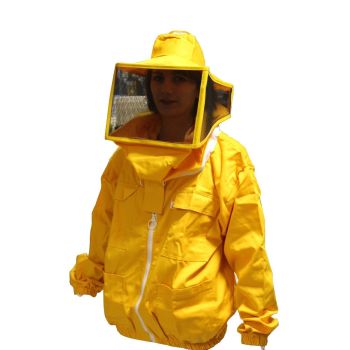
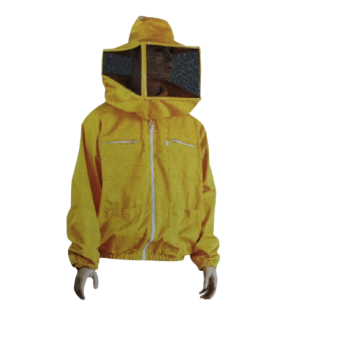
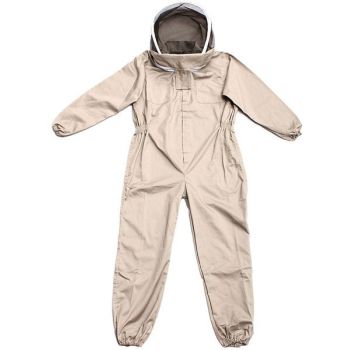
Careta desmontable con cremallera, con malla de aluminio negra y lona de algodón amarilla. Puños elásticos y cremallera frontal que permite la apertura total del blusón.
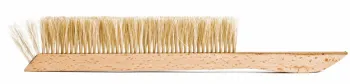
Cepillo grande con cerdas de crin de alta calidad para retirar las abejas del panal
Ahumador de 10 cm de diámetro con pico de 24 cm de altura en acero inoxidable, con protección antiquemaduras (código FO 2902) y fuelle de caucho de silicona
(código QI M34)