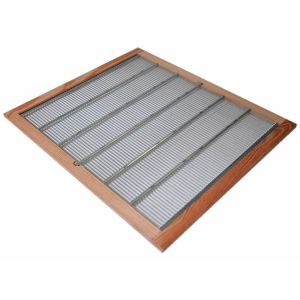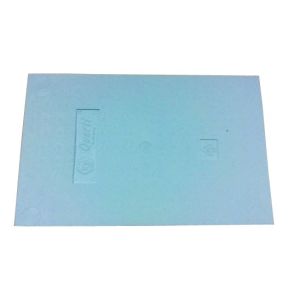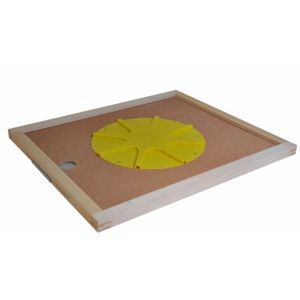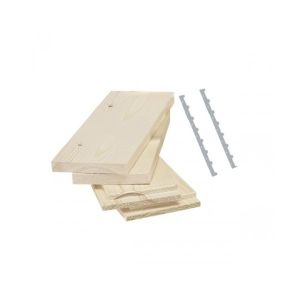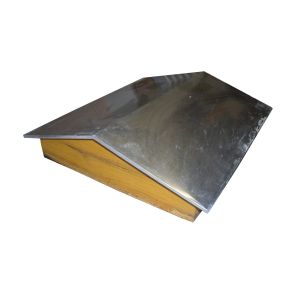
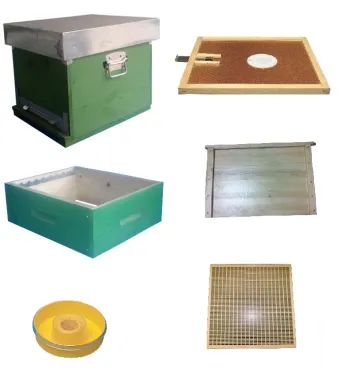
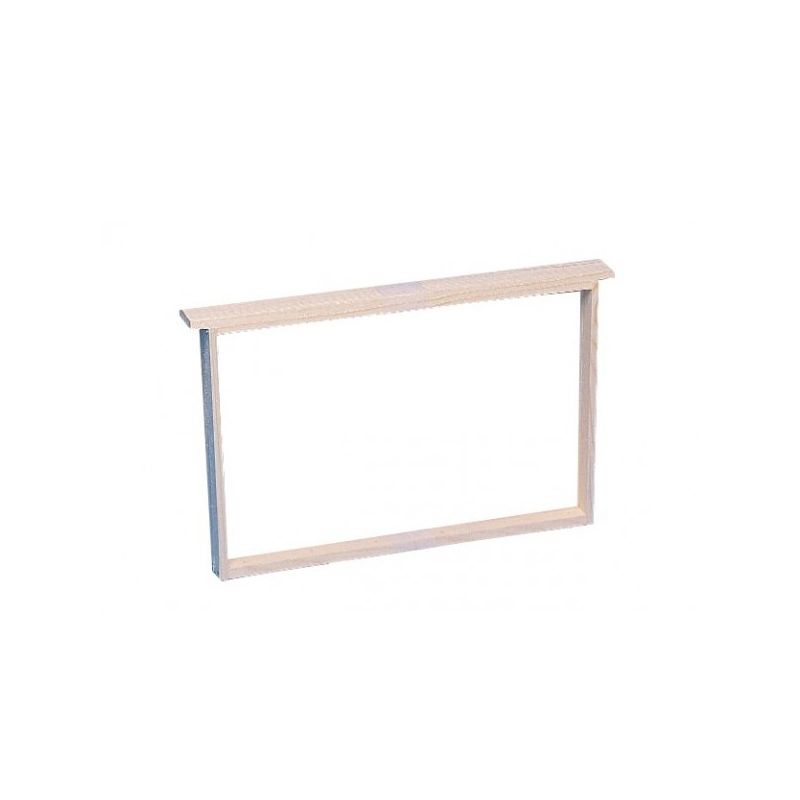







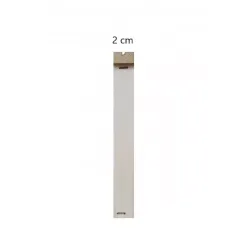
MOUNTED NEST FRAME without holes for Beehives D.B.-To insert polystyrene diaphragmOPTIONS : Thickness of sleepers 2 cm - Polystyrene diaphragm (Code PI 501) Thickness of sleepers 3 cm - Polystyrene diaphragm (Code PI 501/A)Inner frame light 412 x 259 mm
.
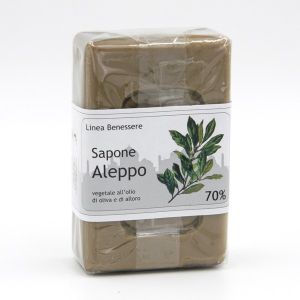
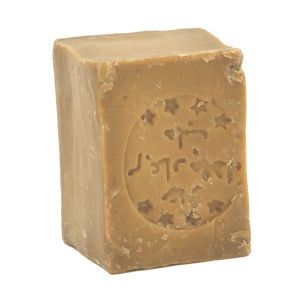
The percentage of laurel determines its greater value; there are soaps that contain from 4% to 60% laurel oil. For particularly sensitive skin, it is advisable to use the soap with a lower percentage of laurel. Used on the face it cleanses and thoroughly cleanses the skin and removes impurities, since laurel is a can antibacterial, but at the same time you do not risk drying out the epidermis because thanks to its composition it is a very gentle cleanser. Suitable and effective for those with oily or impure skin because it has an important balancing function, and it is an excellent ally in case of skin problems such as acne and psoriasis. The benefits of this soap do not end there, however, in fact it has soothing properties, making it a very useful product for hair removal and shaving.It has anti-allergic, antiseptic, anti-inflammatory and nourishing properties.
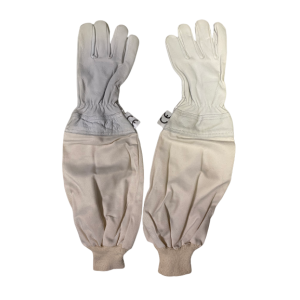
Sturdy and durable leather gloves to do the best job in the apiary
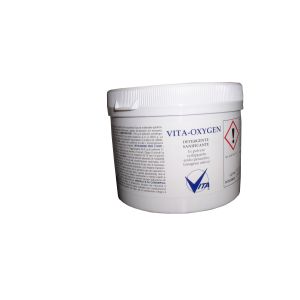
VITA-OXYGEN powder sanitizing detergent developing peracetic acid (active oxygen) Store the product tightly closed, cool and 'dry , away from riducent and flammable materials For disinfection from all Beehive pathogens (American and European foulbrood, nosema ceranae, calcified brood, varroasis-related viruses ) of Beehives, combs and any type of beekeeping material. Characteristics* broad-spectrum disinfectant: sporigenic and nonsporigenic bacteria, fungi and viruses) * remarkable rapidity of disinfection: contact time 30 minutes * non-corrosive on materials Method of usePreparation: dissolve Vita Oxygenin lukewarm water ( 20-30°) at doses of 10 grams per liter for decontamination/disinfection or 20 grams per liter for high-level disinfection. Shake for 2 / 3 minutes until much of the powder has dissolved. Wait the indicated activation time (15 minutes at 10 grams per liter and 30 minutes at 20 grams per liter ) following the label directions . Coarse manual cleaning is recommended to remove wax bridges or substantial propolis formations. Leave in contact with the solution 30 minutes or more. For disinfection of Beehives,frame timbers or other material, prepare suitable contain -tor and fill with solution. Allow the material to soak. Alternatively, spray with disinfet -tant and brush. For disinfecting honeycombs - Dip the honeycombs in the disinfectant solution letting the alveoli fill.Leave them in contact with the disinfectant then drain them by whisking them to empty the alveoli. Alternatively, the disinfectant can be sprayed with nebulizer directly on the combs.With the solution in nebulizer, thoroughly spray the combs or material. Manual application: can also be used to wash with brush and solution. Important Use concentrations and residence times in disinfection that are proportional to the amount of organic matter present to be removed.Disinfection time should be understood to be 30 minutes in cases where wax and propolis are present in superficial layers ( from a few thousandths of a milli-meter to half a millimeter ) such as may be the typical condition of Beehive walls or frame crossbars or uprights or the surface of a pocket feeder ,etc....No rinsing is required as the degradation products turn out to be water, oxygen and acetic acid. The dilute is not hazardous to the operator. The dilute is effective at its maximum potential for a time of 24 hours. Thereafter the sterilization action decreases.
MOUNTED NEST FRAME without holes for Beehives D.B.-To insert polystyrene diaphragmOPTIONS : Thickness of sleepers 2 cm - Polystyrene diaphragm (Code PI 501) Thickness of sleepers 3 cm - Polystyrene diaphragm (Code PI 501/A)Inner frame light 412 x 259 mm