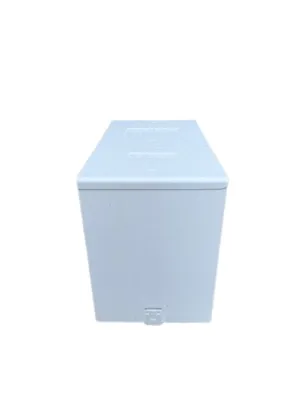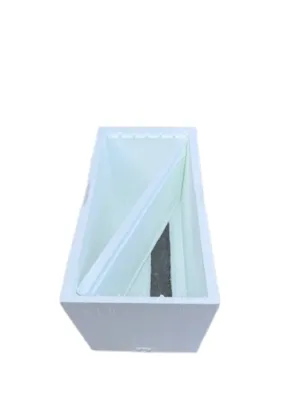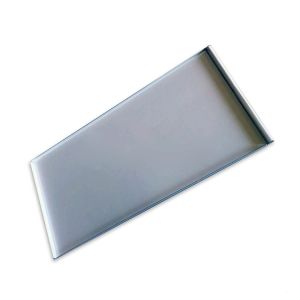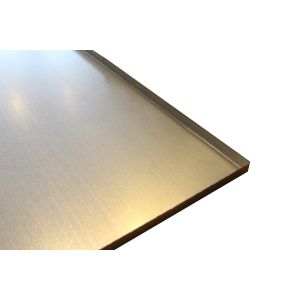
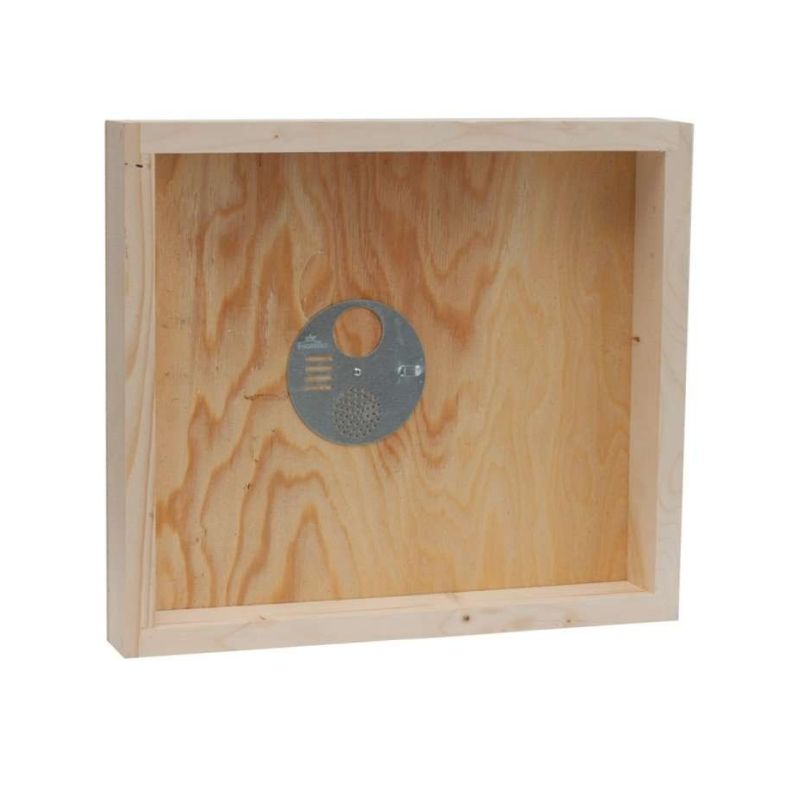






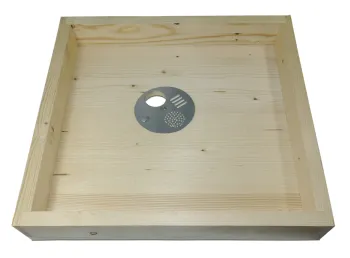
WOOD COVER for D.B.10 Beehives complete with 4P steel disc H= 6 cm - Thickness of sides 2 cm
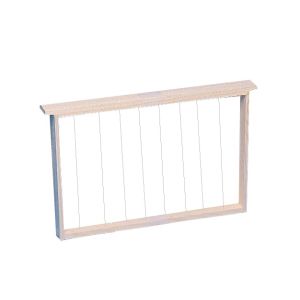
ZIGRINATOR professional wire tensioner with wooden handle to corrugate wire for weaving frames
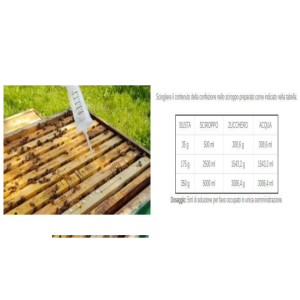
Using brewer's yeast in PROTEIN NUTRITION will result in more populous Beehives and longer longevity. Store in a dry, cool place out of direct sunlight Composition: Protein min. 40 %, Moisture max. 6 %, Crude Fat 1 %, Crude Cellulose 1 %, Minerals 14 %, Amino Acids 16 %, Vitamins 17 &% METHOD OF SUMMARY : AS SUPPLIED - In spring, after flutter cleaning, yeast is placed in front of Beehives in wide-mouthed pots. Training is done at the entrance. The amount of yeast collected can amount to 200 g/day/family. IN ENERGO-PROTEIC CAKES - 6 kg powdered sugar is mixed with 1 kg yeast. It is homogenized well, and then 2 kg bee honey is added. You mix all the ingredients and correct the consistency by adding honey.It is given in spring, autumn and dry summers in the form of 200 g cakes. IN SYRUP - maximum 10% well homogenized (1 kg yeast + 9 kg syrup). Administration is done after the honey has been harvested and extracted. Only the amount needed for one administration is prepared. If within 2-3 days the mixture is not consumed, the feeding jars are removed and cleaned. THE BENEFITS OF THE USE OF ISTANT INACTIVATED BEER YEAST IN THE FEEDING OF BEES -It enhances the appropriate development of bee families, in a manner to reach maximum development at the beginning of the great harvests from nature. -In the fall it helps in the formation of the fat body. Stimulates bee families to regain headcount and start faster. Stimulates potency. By replacing pollen brewer's yeast from unsafe sources limits the risk of diseases (loca, nosema, the black disease, etc.).
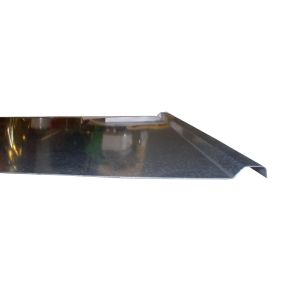
SPACER SAVES BEES AND MANIA depending on how it is mounted in the Beehive, flush milled classic method, or higher than 6.5 mm "save bee space" method, allows the bees to have two passages, one under the honeycomb head, and the second, between the side of the honeycomb and the wall of the Beehive. The rounded edges of the spacer,avoid offending the beekeeper's hands .
VITA-OXYGEN powder sanitizing detergent developing peracetic acid (active oxygen) Store the product tightly closed, cool and 'dry , away from riducent and flammable materials For disinfection from all Beehive pathogens (American and European foulbrood, nosema ceranae, calcified brood, varroasis-related viruses ) of Beehives, combs and any type of beekeeping material. Characteristics* broad-spectrum disinfectant: sporigenic and nonsporigenic bacteria, fungi and viruses) * remarkable rapidity of disinfection: contact time 30 minutes * non-corrosive on materials Method of usePreparation: dissolve Vita Oxygenin lukewarm water ( 20-30°) at doses of 10 grams per liter for decontamination/disinfection or 20 grams per liter for high-level disinfection. Shake for 2 / 3 minutes until much of the powder has dissolved. Wait the indicated activation time (15 minutes at 10 grams per liter and 30 minutes at 20 grams per liter ) following the label directions . Coarse manual cleaning is recommended to remove wax bridges or substantial propolis formations. Leave in contact with the solution 30 minutes or more. For disinfection of Beehives,frame timbers or other material, prepare suitable contain -tor and fill with solution. Allow the material to soak. Alternatively, spray with disinfet -tant and brush. For disinfecting honeycombs - Dip the honeycombs in the disinfectant solution letting the alveoli fill.Leave them in contact with the disinfectant then drain them by whisking them to empty the alveoli. Alternatively, the disinfectant can be sprayed with nebulizer directly on the combs.With the solution in nebulizer, thoroughly spray the combs or material. Manual application: can also be used to wash with brush and solution. Important Use concentrations and residence times in disinfection that are proportional to the amount of organic matter present to be removed.Disinfection time should be understood to be 30 minutes in cases where wax and propolis are present in superficial layers ( from a few thousandths of a milli-meter to half a millimeter ) such as may be the typical condition of Beehive walls or frame crossbars or uprights or the surface of a pocket feeder ,etc....No rinsing is required as the degradation products turn out to be water, oxygen and acetic acid. The dilute is not hazardous to the operator. The dilute is effective at its maximum potential for a time of 24 hours. Thereafter the sterilization action decreases.