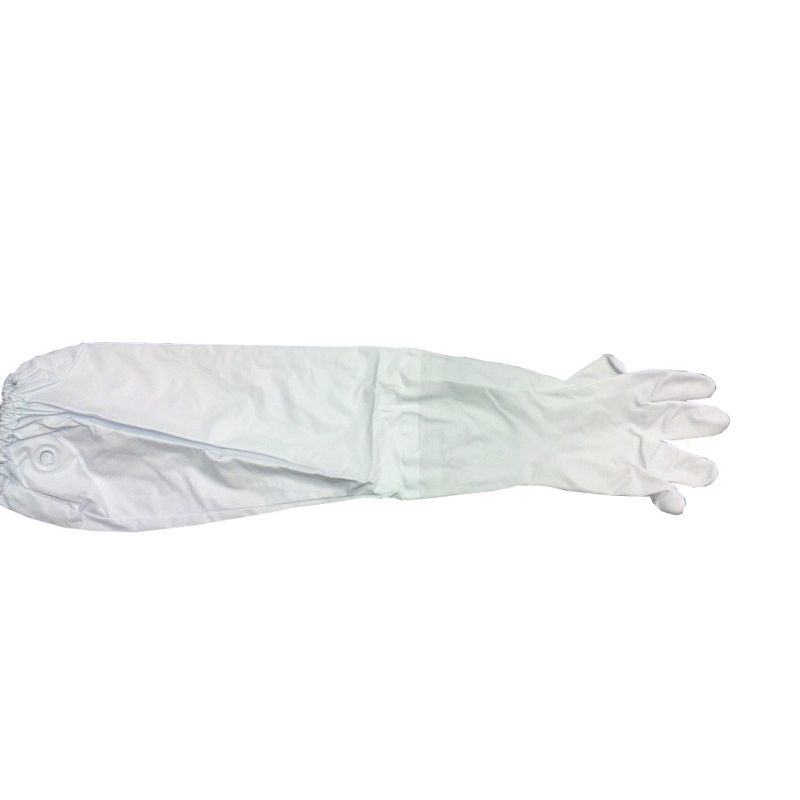









PVC beekeeping gloves, ultra-sensitive with extended welded sleeve and elastic border
Available sizes: 7 (S) - 8 (M) - 9 (L) - 10 (XL)
Embossed finish. Non-molded, slip-on treatment.
Anatomical shape. Eyelet for ventilation, also convenient for hanging the glove.
-
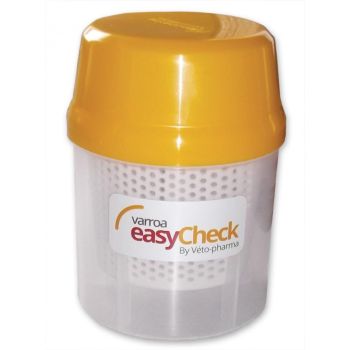
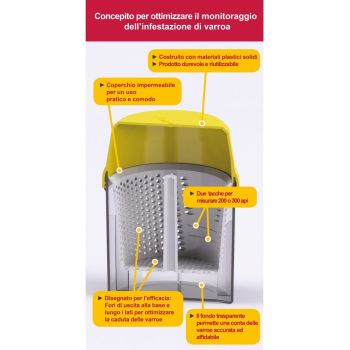
Add alcohol diluted in water in a ratio of 1:4 to the container . Take 200-300 bees directly using the transparent container and place them in the inner basket. Close the container with the lid and dip the bees into the liquid, then add liquid up to the marked mark. Seal the lid and shake the jar for 1 minute to separate the bees from the mites. Remove the basket with the bees and count through the transparent container the number of mites. HOW TO CALCULATE THE PERCENTAGE OF VARROA: If 300 bees are used, divide the number of mites by 3. If 200 bees are used, divide the number of mites by 2. Suggested periods for monitoring: LATE WINTER/Spring to assess possible spring treatment - DURING HARVEST to assess the need for any treatment between harvests - AFTER HARVEST to determine which treatment strategy to use in the fall/winter.
PVC beekeeping gloves, ultra-sensitive with extended welded sleeve and elastic border
Available sizes: 7 (S) - 8 (M) - 9 (L) - 10 (XL)
Embossed finish. Non-molded, slip-on treatment.
Anatomical shape. Eyelet for ventilation, also convenient for hanging the glove.