

















Beehives D.B. 10 frames painted with fixed anti-varroa net bottom complete with: Nest; Honey super; 10 nest frames with wax foil; 9 honeycomb frames with wax goflio cover with 4-position disc mounted; 10-cm-high galvanized sheet metal lid lined with wood and faestile on the bottom; canopy the galvanized sheet metal; plastic transport mask; galvanized pinwheels; small metal door; 3 connection angles; spacers mounted in nest and Honey super; fixed antivarroa net bottom with galvanized sheet metal bottom removable from back; seasoned fir wood, 25mm thick; walls assembled with screws; carrying handles; Frame rest
The Honey Crystallization ProcessAny honey can occur in the crystallized form with the exception of Acacia honey, Chestnut honey and honeydew honeys, which generally tend not to crystallize.Honey crystallization is a natural process that can occur over time. When honey contains more glucose than fructose, it is more likely to crystallize. Crystallization begins when glucose molecules aggregate to form crystals. These crystals spread through the honey, giving the solution a thicker, grainier consistency.The speed and extent of crystallization depend on various factors, including temperature and honey composition.Crystallization can take days to weeks to fully develop.
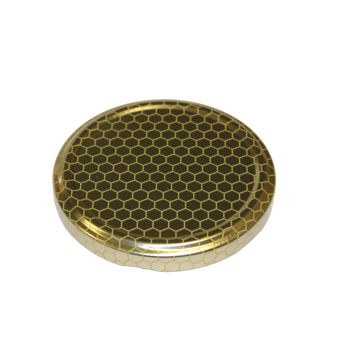
REGINA Glass JAR for HONEY 500 g - 390 ml