












Special Products
Featured Products





Dried bulk herbs
Loose dried leaves, flowers and roots for herbal teas, decoctions and infusions
Subcategory
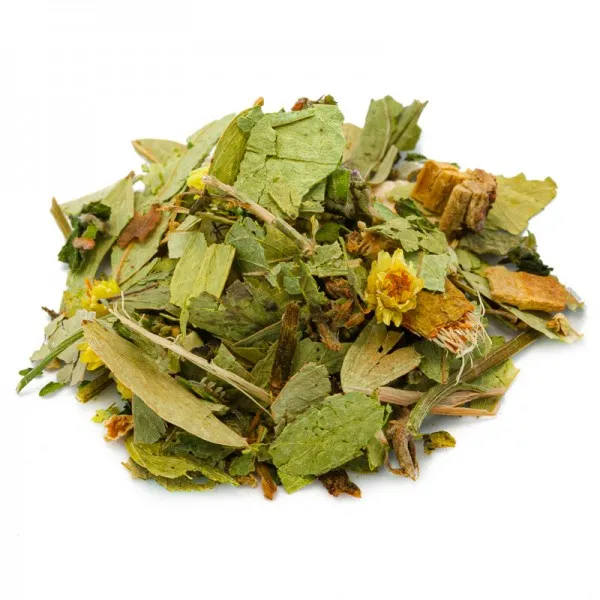
Preparation of infusion: make an infusion with 1 tablespoon of berry mix in a cup of boiling water. Allow to steep for about 10 minutes then strain and drink Contraindications: Do not take if you have an individual sensitivity or allergy to these plants.
€4.80Price
Preparation of infusion: make an infusion with 1 tablespoon of berry mix in a cup of boiling water. Allow to steep for about 10 minutes then strain and drink Contraindications: Do not take if you have an individual sensitivity or allergy to these plants.
€4.80Price
€4.80Price
Ingredients: Karkadè, Grapes, Elderberries, Blackcurrant, Bilberry fruit, flavorings. Preparation for an aromatic tea (This product may be subject to natural variation in weight) In 100 g, 200 g or 500 g package
€4.80Price
Ingredients: Karkadè, Grapes, Elderberries, Blackcurrant, Bilberry fruit, flavorings. Preparation for an aromatic tea (This product may be subject to natural variation in weight) In 100 g, 200 g or 500 g package
Ingredients: Karkadè, Grapes, Elderberries, Blackcurrant, Bilberry fruit, flavorings. Preparation for an aromatic tea (This product may be subject to natural variation in weight) In 100 g, 200 g or 500 g package
€4.80Price
Preparation of infusion: steep 1 gram of dried leaves in 100 ml of water for a few minutes, then strain. Contraindications: not suitable for children or pregnant women. Avoid for people with bleeding disorders or those taking antiplatelet drugs, as it increases the risk of bleeding.
€5.50Price
Preparation of infusion: steep 1 gram of dried leaves in 100 ml of water for a few minutes, then strain. Contraindications: not suitable for children or pregnant women. Avoid for people with bleeding disorders or those taking antiplatelet drugs, as it increases the risk of bleeding.
€5.50Price
€5.50Price
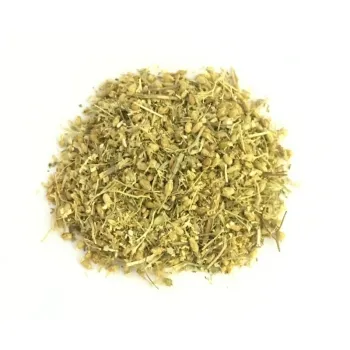
Botanical name: Achillea millefolium L. Common vernacular names: yarrow, dogwood, soldier's herb, stagnasangue Properties and benefits: this plant is used to improve problems related to digestion, including spasms affecting the gastrointestinal system, inflammation of the gastric mucosa, nausea and lack of appetite.The plant is then used to promote the onset of the menstrual cycle and regularize menstruation.It has anti-inflammatory and antispasmodic effects (useful for soothing the pain of menstrual cramps)Yarrow preparations are also recommended to reduce blood pressure, often in combination with other remedies indicated for hypertension such as hawthorn.The infusion also proves useful for varicose veins and phlebitis and is used to speed wound healing. (This product may undergo a natural variation in weight.) In 100 g, 200 g or 500 g package
€5.50Price
Botanical name: Achillea millefolium L. Common vernacular names: yarrow, dogwood, soldier's herb, stagnasangue Properties and benefits: this plant is used to improve problems related to digestion, including spasms affecting the gastrointestinal system, inflammation of the gastric mucosa, nausea and lack of appetite.The plant is then used to promote the onset of the menstrual cycle and regularize menstruation.It has anti-inflammatory and antispasmodic effects (useful for soothing the pain of menstrual cramps)Yarrow preparations are also recommended to reduce blood pressure, often in combination with other remedies indicated for hypertension such as hawthorn.The infusion also proves useful for varicose veins and phlebitis and is used to speed wound healing. (This product may undergo a natural variation in weight.) In 100 g, 200 g or 500 g package
Botanical name: Achillea millefolium L. Common vernacular names: yarrow, dogwood, soldier's herb, stagnasangue Properties and benefits: this plant is used to improve problems related to digestion, including spasms affecting the gastrointestinal system, inflammation of the gastric mucosa, nausea and lack of appetite.The plant is then used to promote the onset of the menstrual cycle and regularize menstruation.It has anti-inflammatory and antispasmodic effects (useful for soothing the pain of menstrual cramps)Yarrow preparations are also recommended to reduce blood pressure, often in combination with other remedies indicated for hypertension such as hawthorn.The infusion also proves useful for varicose veins and phlebitis and is used to speed wound healing. (This product may undergo a natural variation in weight.) In 100 g, 200 g or 500 g package
€5.50Price
Preparation of infusion: make an infusion with 1 tablespoon of Strawberry mix in a cup of boiling water. Allow to steep for about 10 minutes then strain and drinkContraindications: Do not take if you have an individual sensitivity or allergy to these plants.
€4.70Price
Preparation of infusion: make an infusion with 1 tablespoon of Strawberry mix in a cup of boiling water. Allow to steep for about 10 minutes then strain and drinkContraindications: Do not take if you have an individual sensitivity or allergy to these plants.
€4.70Price
€4.70Price
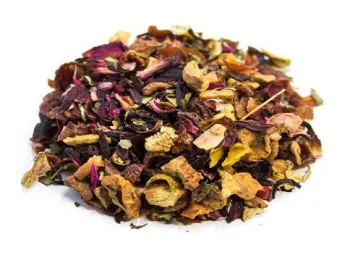
Ingredients:Karkadè, Rosehip, Apple pieces, natural flavors, Strawberry pieces.Prepared for an aromatic tea(This product may undergo a natural variation in weight)In 100 g, 200 g or 500 g package
€4.70Price
Ingredients:Karkadè, Rosehip, Apple pieces, natural flavors, Strawberry pieces.Prepared for an aromatic tea(This product may undergo a natural variation in weight)In 100 g, 200 g or 500 g package
Ingredients:Karkadè, Rosehip, Apple pieces, natural flavors, Strawberry pieces.Prepared for an aromatic tea(This product may undergo a natural variation in weight)In 100 g, 200 g or 500 g package
€4.70Price
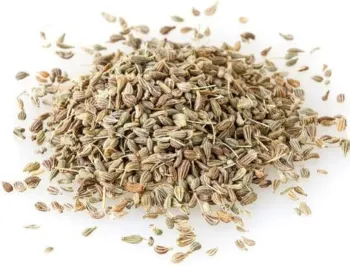
Preparing the decoction: grind a 1 tablespoon of dried fruits and put them in a cup of boiling water, letting them steep for about 10 minutes. Strain and drink 2 to 3 cups daily. During the infusion it is advisable to cover the preparation to limit volatilization of the essential oils. Contraindications: the use of anise preparations for internal use has no particular contraindications, except individual hypersensitivity to the plant and pregnancy. It is advisable to avoid taking the essential oil internally, except under expert advice. Externally, the essential oil should be used properly diluted and only on undamaged skin.
€6.30Price
Preparing the decoction: grind a 1 tablespoon of dried fruits and put them in a cup of boiling water, letting them steep for about 10 minutes. Strain and drink 2 to 3 cups daily. During the infusion it is advisable to cover the preparation to limit volatilization of the essential oils. Contraindications: the use of anise preparations for internal use has no particular contraindications, except individual hypersensitivity to the plant and pregnancy. It is advisable to avoid taking the essential oil internally, except under expert advice. Externally, the essential oil should be used properly diluted and only on undamaged skin.
€6.30Price
€6.30Price
Botanical name: Pimpinella anisum L. Vernal names: Green or common anise Properties and benefits: Digestive, aromatic.Counteracts the formation of gas and intestinal fermentation (carminative action)Relaxing on the smooth muscles of the intestines (antispasmodic action)Balsamic, fluidizing phlegm, useful for treating symptoms of colds and bronchitis. (This product may undergo a natural variation in weight) In 100 g, 200 g or 500 g package
€6.30Price
Botanical name: Pimpinella anisum L. Vernal names: Green or common anise Properties and benefits: Digestive, aromatic.Counteracts the formation of gas and intestinal fermentation (carminative action)Relaxing on the smooth muscles of the intestines (antispasmodic action)Balsamic, fluidizing phlegm, useful for treating symptoms of colds and bronchitis. (This product may undergo a natural variation in weight) In 100 g, 200 g or 500 g package
Botanical name: Pimpinella anisum L. Vernal names: Green or common anise Properties and benefits: Digestive, aromatic.Counteracts the formation of gas and intestinal fermentation (carminative action)Relaxing on the smooth muscles of the intestines (antispasmodic action)Balsamic, fluidizing phlegm, useful for treating symptoms of colds and bronchitis. (This product may undergo a natural variation in weight) In 100 g, 200 g or 500 g package
€6.30Price
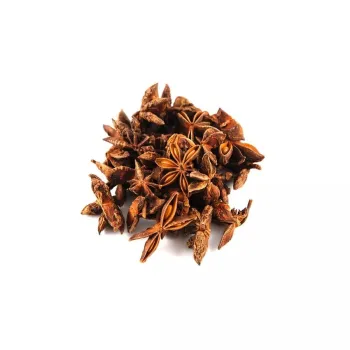
In the East it is used to combat colic, rheumatism and low back pain; to promote appetite and good sleep; to combat abdominal pain and menstrual disorders; to increase milk production in nursing women; to relieve flatulence; and to combat the aches and pains typical of the colder months of the year. Preparation of infusion: steep 1 teaspoon of fruit in 100 ml of water for a few minutes, then strain. Contraindications: Susceptibility to sunburn, hepatopathy, epilepsy. Established hypersensitivity to one or more components of star anise.
€9.40Price
In the East it is used to combat colic, rheumatism and low back pain; to promote appetite and good sleep; to combat abdominal pain and menstrual disorders; to increase milk production in nursing women; to relieve flatulence; and to combat the aches and pains typical of the colder months of the year. Preparation of infusion: steep 1 teaspoon of fruit in 100 ml of water for a few minutes, then strain. Contraindications: Susceptibility to sunburn, hepatopathy, epilepsy. Established hypersensitivity to one or more components of star anise.
€9.40Price
€9.40Price
Botanical name: Hillicium verum Hook.f. Common names: Chinese star anise Properties and benefits:Expectorant: prevents free radical formation. - Reduces abdominal bloating and headaches from poor digestion.- Relieves flu and colds.- Digestive and carminative: used against bloating and abdominal spasms.- Effectively stimulates diuresis, so it should be consumed in extreme moderation. (This product may undergo a natural variation in weight.) In 100 g, 200 g or 500 g package
€9.40Price
Botanical name: Hillicium verum Hook.f. Common names: Chinese star anise Properties and benefits:Expectorant: prevents free radical formation. - Reduces abdominal bloating and headaches from poor digestion.- Relieves flu and colds.- Digestive and carminative: used against bloating and abdominal spasms.- Effectively stimulates diuresis, so it should be consumed in extreme moderation. (This product may undergo a natural variation in weight.) In 100 g, 200 g or 500 g package
Botanical name: Hillicium verum Hook.f. Common names: Chinese star anise Properties and benefits:Expectorant: prevents free radical formation. - Reduces abdominal bloating and headaches from poor digestion.- Relieves flu and colds.- Digestive and carminative: used against bloating and abdominal spasms.- Effectively stimulates diuresis, so it should be consumed in extreme moderation. (This product may undergo a natural variation in weight.) In 100 g, 200 g or 500 g package
€9.40Price
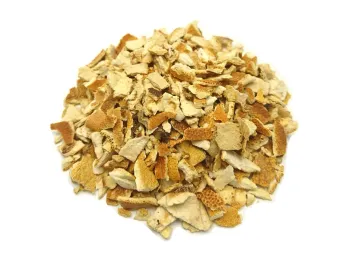
Preparation of infusion: 1 tablespoon in a cup of boiling water. In infusion, sweet orange peel has a digestive, bitter and aperitif effect. Contraindications: the literature shows no side, collateral or toxic effects at the indicated doses, except that there is a particular subjective sensitivity.
€3.00Price
Preparation of infusion: 1 tablespoon in a cup of boiling water. In infusion, sweet orange peel has a digestive, bitter and aperitif effect. Contraindications: the literature shows no side, collateral or toxic effects at the indicated doses, except that there is a particular subjective sensitivity.
€3.00Price
€3.00Price
Botanical name: Citrus aurantium L. var. dulcis Properties and benefits: - Aperitive- Digestive Uses: - Slow digestion- After large meals (This product may experience a natural variation in weight) In 50 g, 100 g, 200 g or 500 g package
€3.00Price
Botanical name: Citrus aurantium L. var. dulcis Properties and benefits: - Aperitive- Digestive Uses: - Slow digestion- After large meals (This product may experience a natural variation in weight) In 50 g, 100 g, 200 g or 500 g package
Botanical name: Citrus aurantium L. var. dulcis Properties and benefits: - Aperitive- Digestive Uses: - Slow digestion- After large meals (This product may experience a natural variation in weight) In 50 g, 100 g, 200 g or 500 g package
€3.00Price
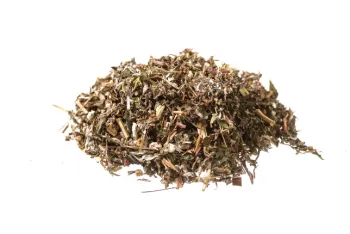
Preparation of infusion: steep 1 gram of dried leaves in 100 ml of water for a few minutes, then strain. Contraindications: it is to be avoided during pregnancy because of potential abortiveness; other contraindications include those with gastritis, peptic ulcer, epilepsy or established hypersensitivity to one or more of the components.
€6.60Price
Preparation of infusion: steep 1 gram of dried leaves in 100 ml of water for a few minutes, then strain. Contraindications: it is to be avoided during pregnancy because of potential abortiveness; other contraindications include those with gastritis, peptic ulcer, epilepsy or established hypersensitivity to one or more of the components.
€6.60Price
€6.60Price
Botanical name: Artemisia Vulgaris L Common names: mugwort Properties and benefits:Mugwort is considered useful for aiding digestion and as an antispasmodic against menstrual pain. However, scientific data about its efficacy and safety are lacking.Folk medicine and tradition describe mugwort as a diuretic, bitter-tonic, emmenagogue, antispasmodic, sudorific, febrifuge, cholagogue, sedative, anthelmintic, anorectic and digestive plant. (This product may undergo a natural variation in weight.) In 100 g, 200 g or 500 g package
€6.60Price
Botanical name: Artemisia Vulgaris L Common names: mugwort Properties and benefits:Mugwort is considered useful for aiding digestion and as an antispasmodic against menstrual pain. However, scientific data about its efficacy and safety are lacking.Folk medicine and tradition describe mugwort as a diuretic, bitter-tonic, emmenagogue, antispasmodic, sudorific, febrifuge, cholagogue, sedative, anthelmintic, anorectic and digestive plant. (This product may undergo a natural variation in weight.) In 100 g, 200 g or 500 g package
Botanical name: Artemisia Vulgaris L Common names: mugwort Properties and benefits:Mugwort is considered useful for aiding digestion and as an antispasmodic against menstrual pain. However, scientific data about its efficacy and safety are lacking.Folk medicine and tradition describe mugwort as a diuretic, bitter-tonic, emmenagogue, antispasmodic, sudorific, febrifuge, cholagogue, sedative, anthelmintic, anorectic and digestive plant. (This product may undergo a natural variation in weight.) In 100 g, 200 g or 500 g package
€6.60Price
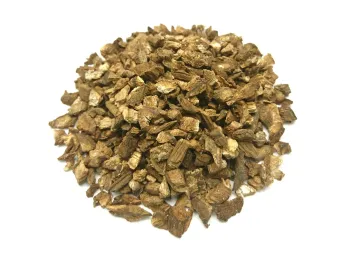
€6.80Price
Botanical name: Arcticum lappa L. Properties and benefits:- Purifying and stimulating liver function- Hypoglycemic- Diuretic- Antiseptic How to prepare the root decoction: 5g in a cup of boiling water, boil for 5-10 minutes, strain and drink 3 cups a day. (This product may undergo natural variation in weight.) In 100g, 200g or 500g package
€6.80Price
Botanical name: Arcticum lappa L. Properties and benefits:- Purifying and stimulating liver function- Hypoglycemic- Diuretic- Antiseptic How to prepare the root decoction: 5g in a cup of boiling water, boil for 5-10 minutes, strain and drink 3 cups a day. (This product may undergo natural variation in weight.) In 100g, 200g or 500g package
Botanical name: Arcticum lappa L. Properties and benefits:- Purifying and stimulating liver function- Hypoglycemic- Diuretic- Antiseptic How to prepare the root decoction: 5g in a cup of boiling water, boil for 5-10 minutes, strain and drink 3 cups a day. (This product may undergo natural variation in weight.) In 100g, 200g or 500g package
€6.80Price
Infusion preparation: Steep 1 level tablespoon of birch in a cup of boiling water for about 10 minutes.
Contraindications: No toxic effects have been reported in the literature at therapeutic doses, unless there is a specific subjective sensitivity to this plant. Do not take if allergic to aspirin. Do not take if you have kidney and/or heart failure. Avoid taking it concomitantly with diuretics, as it may cause additive effects.
€5.70Price
Infusion preparation: Steep 1 level tablespoon of birch in a cup of boiling water for about 10 minutes.
Contraindications: No toxic effects have been reported in the literature at therapeutic doses, unless there is a specific subjective sensitivity to this plant. Do not take if allergic to aspirin. Do not take if you have kidney and/or heart failure. Avoid taking it concomitantly with diuretics, as it may cause additive effects.
€5.70Price
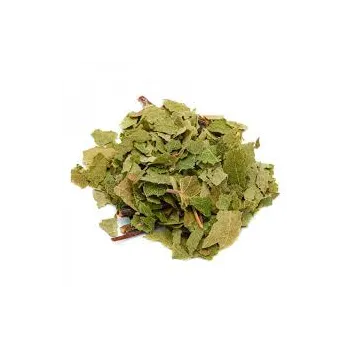
€5.70Price
Botanical name: Crataegus oxyacantha auct
Properties and benefits:
- Diuretic
- Detoxifying
- Effective aid for intellectual abilities (Hydroglycerin-Alcohol Solution - Gemmoderivate - of Birch Seeds)
Natural remedy for:
- Kidney stones, gravel
- Water retention, cellulite
- Hyperuricemia, gout
- Hyperazotemia
- Hypercholesterolemia
(This product may be subject to natural weight variations)
In 100g, 200g, or 500g packages
€5.70Price
Botanical name: Crataegus oxyacantha auct
Properties and benefits:
- Diuretic
- Detoxifying
- Effective aid for intellectual abilities (Hydroglycerin-Alcohol Solution - Gemmoderivate - of Birch Seeds)
Natural remedy for:
- Kidney stones, gravel
- Water retention, cellulite
- Hyperuricemia, gout
- Hyperazotemia
- Hypercholesterolemia
(This product may be subject to natural weight variations)
In 100g, 200g, or 500g packages
Botanical name: Crataegus oxyacantha auct
Properties and benefits:
- Diuretic
- Detoxifying
- Effective aid for intellectual abilities (Hydroglycerin-Alcohol Solution - Gemmoderivate - of Birch Seeds)
Natural remedy for:
- Kidney stones, gravel
- Water retention, cellulite
- Hyperuricemia, gout
- Hyperazotemia
- Hypercholesterolemia
(This product may be subject to natural weight variations)
In 100g, 200g, or 500g packages
€5.70Price
Preparation of infusion: steep 1 level tablespoon of Hawthorn in a cup of boiling water for about 10 minutes. Contraindications: Contraindicated for those suffering from low blood pressure. Avoid taking concurrently with antihypertensive medications without first consulting your doctor.
€6.40Price
Preparation of infusion: steep 1 level tablespoon of Hawthorn in a cup of boiling water for about 10 minutes. Contraindications: Contraindicated for those suffering from low blood pressure. Avoid taking concurrently with antihypertensive medications without first consulting your doctor.
€6.40Price
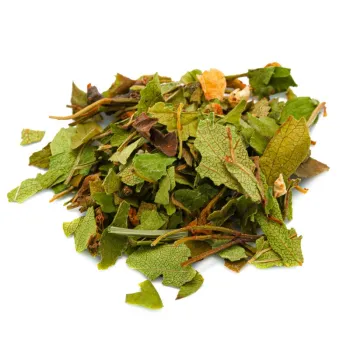
€6.40Price
Botanical name: Crataegus oxyacantha auct Properties and benefits:- Sedative/Relaxing- Hypotensive- Cardiotonic- Regulator of cardiac activity Main uses are in the treatment of mild heart failure and arrhythmias, palpitations and mild hypertension.In addition, for its sedative action it is used to soothe anxious situations and insomnia. (This product may undergo a natural variation in weight.) In 100 g, 200 g or 500 g package
€6.40Price
Botanical name: Crataegus oxyacantha auct Properties and benefits:- Sedative/Relaxing- Hypotensive- Cardiotonic- Regulator of cardiac activity Main uses are in the treatment of mild heart failure and arrhythmias, palpitations and mild hypertension.In addition, for its sedative action it is used to soothe anxious situations and insomnia. (This product may undergo a natural variation in weight.) In 100 g, 200 g or 500 g package
Botanical name: Crataegus oxyacantha auct Properties and benefits:- Sedative/Relaxing- Hypotensive- Cardiotonic- Regulator of cardiac activity Main uses are in the treatment of mild heart failure and arrhythmias, palpitations and mild hypertension.In addition, for its sedative action it is used to soothe anxious situations and insomnia. (This product may undergo a natural variation in weight.) In 100 g, 200 g or 500 g package
€6.40Price
Preparation of infusion: steep 1 level tablespoon of Hawthorn in a cup of boiling water for about 10 minutes. Contraindications:Avoid prolonged use. At high dosage it may cause diarrhea.If gallstones are present in the gallbladder, there may be a risk of triggering colic if the stones are placed in such a way as to obstruct the bile excretory ducts.
€6.40Price
Preparation of infusion: steep 1 level tablespoon of Hawthorn in a cup of boiling water for about 10 minutes. Contraindications:Avoid prolonged use. At high dosage it may cause diarrhea.If gallstones are present in the gallbladder, there may be a risk of triggering colic if the stones are placed in such a way as to obstruct the bile excretory ducts.
€6.40Price
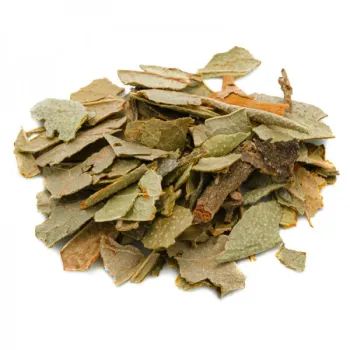
€6.40Price
Botanical name: Peumus boldus Molina Properties and benefits: has a hepatoprotective effect due to its choleretic (increased biliary secretion) and cholagogic (increased evacuation of bile) properties. Used in the treatment of dyspeptic disorders and associated symptoms (such as feeling full, flatulence, etc.), as well as in biliary insufficiency and as an antihepatotoxic. Boldo leaf has antioxidant and anti-inflammatory properties, especially in the intestines. It promotes intestinal functions, amplifying the laxative action of anthraquinonic drugs such as Senna and Frangula, with which it can be associated in laxative herbal teas in order to reduce their dosage. (This product may undergo a natural variation in weight.) In 100 g, 200 g or 500 g packages.
€6.40Price
Botanical name: Peumus boldus Molina Properties and benefits: has a hepatoprotective effect due to its choleretic (increased biliary secretion) and cholagogic (increased evacuation of bile) properties. Used in the treatment of dyspeptic disorders and associated symptoms (such as feeling full, flatulence, etc.), as well as in biliary insufficiency and as an antihepatotoxic. Boldo leaf has antioxidant and anti-inflammatory properties, especially in the intestines. It promotes intestinal functions, amplifying the laxative action of anthraquinonic drugs such as Senna and Frangula, with which it can be associated in laxative herbal teas in order to reduce their dosage. (This product may undergo a natural variation in weight.) In 100 g, 200 g or 500 g packages.
Botanical name: Peumus boldus Molina Properties and benefits: has a hepatoprotective effect due to its choleretic (increased biliary secretion) and cholagogic (increased evacuation of bile) properties. Used in the treatment of dyspeptic disorders and associated symptoms (such as feeling full, flatulence, etc.), as well as in biliary insufficiency and as an antihepatotoxic. Boldo leaf has antioxidant and anti-inflammatory properties, especially in the intestines. It promotes intestinal functions, amplifying the laxative action of anthraquinonic drugs such as Senna and Frangula, with which it can be associated in laxative herbal teas in order to reduce their dosage. (This product may undergo a natural variation in weight.) In 100 g, 200 g or 500 g packages.
€6.40Price
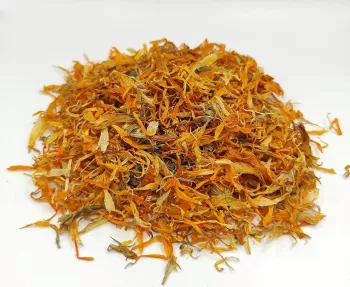
Preparation of infusion: steep 1 level teaspoon of calendula flowers in a cup of boiling water (about 250 ml) for about 10 minutes. Regular intake of calendula herbal tea is particularly useful for:- Counteracting menstrual cycle disorders (we also talked about it here Menstrual pain herbal teas)- Soothing inflammation of the digestive tract- Read also "Herbal teas for your digestion"- Relieving inflamed gums and throat Contraindications: this plant has no particular contraindications and the risk of allergy associated with it is very low.
€4.90Price
Preparation of infusion: steep 1 level teaspoon of calendula flowers in a cup of boiling water (about 250 ml) for about 10 minutes. Regular intake of calendula herbal tea is particularly useful for:- Counteracting menstrual cycle disorders (we also talked about it here Menstrual pain herbal teas)- Soothing inflammation of the digestive tract- Read also "Herbal teas for your digestion"- Relieving inflamed gums and throat Contraindications: this plant has no particular contraindications and the risk of allergy associated with it is very low.
€4.90Price
€4.90Price
Botanical name: Calendula officinalis L. Properties and benefits: Calendula flowers are known for their healing and soothing properties; they are effective in the treatment of minor burns, dermatitis and skin irritations (provides relief from skin irritations, eczema, minor burns by applying a gauze soaked in the infusion to the affected area) Calendula is often used for the preparation of herbal teas and infusions, which promote digestion and contribute to the functionality of the digestive system, but not only that: they contribute to the well-being of women during the menstrual cycle. Calendula flowers can be used in the preparation of ointments and creams, with moisturizing action to soothe dry, irritated or sensitive skin.Calendula is a popular ingredient in natural cosmetics because of its ability to brighten skin tone and promote cell regeneration. (This product may be subject to natural variation in weight.) In 50 g, 100 g, 200 g or 500 g package
€4.90Price
Botanical name: Calendula officinalis L. Properties and benefits: Calendula flowers are known for their healing and soothing properties; they are effective in the treatment of minor burns, dermatitis and skin irritations (provides relief from skin irritations, eczema, minor burns by applying a gauze soaked in the infusion to the affected area) Calendula is often used for the preparation of herbal teas and infusions, which promote digestion and contribute to the functionality of the digestive system, but not only that: they contribute to the well-being of women during the menstrual cycle. Calendula flowers can be used in the preparation of ointments and creams, with moisturizing action to soothe dry, irritated or sensitive skin.Calendula is a popular ingredient in natural cosmetics because of its ability to brighten skin tone and promote cell regeneration. (This product may be subject to natural variation in weight.) In 50 g, 100 g, 200 g or 500 g package
Botanical name: Calendula officinalis L. Properties and benefits: Calendula flowers are known for their healing and soothing properties; they are effective in the treatment of minor burns, dermatitis and skin irritations (provides relief from skin irritations, eczema, minor burns by applying a gauze soaked in the infusion to the affected area) Calendula is often used for the preparation of herbal teas and infusions, which promote digestion and contribute to the functionality of the digestive system, but not only that: they contribute to the well-being of women during the menstrual cycle. Calendula flowers can be used in the preparation of ointments and creams, with moisturizing action to soothe dry, irritated or sensitive skin.Calendula is a popular ingredient in natural cosmetics because of its ability to brighten skin tone and promote cell regeneration. (This product may be subject to natural variation in weight.) In 50 g, 100 g, 200 g or 500 g package
€4.90Price
Preparation of infusion: steep 1 gram of dried leaves in 100 ml of water for a few minutes, then strain. Contraindications: not suitable for children or pregnant women. Avoid for people with bleeding disorders or those taking antiplatelet drugs, as it increases the risk of bleeding.
€6.20Price
Preparation of infusion: steep 1 gram of dried leaves in 100 ml of water for a few minutes, then strain. Contraindications: not suitable for children or pregnant women. Avoid for people with bleeding disorders or those taking antiplatelet drugs, as it increases the risk of bleeding.
€6.20Price
€6.20Price
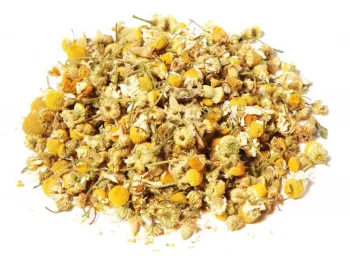
Botanical name: Matricaria chamomilla L. Common vernacular names: Camomile vulgaris, Common camomile, Camila, Living herb, Matricaria, Scalambrina, Calamandrea, Camamia, Camamela, Camumilla, amareggiola, Erba maria, Capomilla Properties and benefits: Soothing Digestive Antispasmodic Amaric Ulcer-protective Antimicrobial Useful as a natural remedy in cases of: - Painful menstruation - Abdominal cramps, stomach ache - Difficult digestion - Gastritis - Headaches - Insomnia - Irritated skin - Allergic conjunctivitis and in general - Diaper dermatitis (This product may undergo a natural variation in weight) In 100 g, 200 g or 500 g package
€6.20Price
Botanical name: Matricaria chamomilla L. Common vernacular names: Camomile vulgaris, Common camomile, Camila, Living herb, Matricaria, Scalambrina, Calamandrea, Camamia, Camamela, Camumilla, amareggiola, Erba maria, Capomilla Properties and benefits: Soothing Digestive Antispasmodic Amaric Ulcer-protective Antimicrobial Useful as a natural remedy in cases of: - Painful menstruation - Abdominal cramps, stomach ache - Difficult digestion - Gastritis - Headaches - Insomnia - Irritated skin - Allergic conjunctivitis and in general - Diaper dermatitis (This product may undergo a natural variation in weight) In 100 g, 200 g or 500 g package
Botanical name: Matricaria chamomilla L. Common vernacular names: Camomile vulgaris, Common camomile, Camila, Living herb, Matricaria, Scalambrina, Calamandrea, Camamia, Camamela, Camumilla, amareggiola, Erba maria, Capomilla Properties and benefits: Soothing Digestive Antispasmodic Amaric Ulcer-protective Antimicrobial Useful as a natural remedy in cases of: - Painful menstruation - Abdominal cramps, stomach ache - Difficult digestion - Gastritis - Headaches - Insomnia - Irritated skin - Allergic conjunctivitis and in general - Diaper dermatitis (This product may undergo a natural variation in weight) In 100 g, 200 g or 500 g package
€6.20Price
Preparation of infusion: bring 3 liters of water to a boil, soak 250 g of tender artichoke leaves in it and cook for 15 minutes. Drink hot or cold throughout the day. Contraindications: The plant is generally considered safe. Avoid use if you have a sensitivity to this plant or more generally if you are allergic to Asteraceae. Consumption during lactation is not recommended.
€6.60Price
Preparation of infusion: bring 3 liters of water to a boil, soak 250 g of tender artichoke leaves in it and cook for 15 minutes. Drink hot or cold throughout the day. Contraindications: The plant is generally considered safe. Avoid use if you have a sensitivity to this plant or more generally if you are allergic to Asteraceae. Consumption during lactation is not recommended.
€6.60Price
€6.60Price
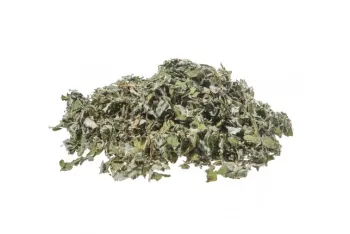
Botanical name: Cynara scolymus L. Properties and benefits:- Eupeptic- Hepatorenal- Hypocholesterolemic- Hypoglycemic- Uses:- Hypercholesterolemia- Hyperglycemia- Water retention- Liver disorders- Kidney disorders (This product may undergo natural weight variation) In 100 g, 200 g or 500 g package
€6.60Price
Botanical name: Cynara scolymus L. Properties and benefits:- Eupeptic- Hepatorenal- Hypocholesterolemic- Hypoglycemic- Uses:- Hypercholesterolemia- Hyperglycemia- Water retention- Liver disorders- Kidney disorders (This product may undergo natural weight variation) In 100 g, 200 g or 500 g package
Botanical name: Cynara scolymus L. Properties and benefits:- Eupeptic- Hepatorenal- Hypocholesterolemic- Hypoglycemic- Uses:- Hypercholesterolemia- Hyperglycemia- Water retention- Liver disorders- Kidney disorders (This product may undergo natural weight variation) In 100 g, 200 g or 500 g package
€6.60Price
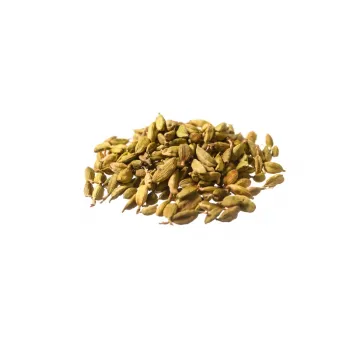
Usage tips:- For Cardamom infusion, pour 1 teaspoon of seeds into 200 ml of boiling water and let steep for about 5-10 minutes, strain and drink. Take 1-2 cups of infusion daily half an hour after meals.- To combat bad breath, chew 2-3 Cardamom seeds daily. Contraindications: if you are pregnant or breastfeeding, consult your doctor's advice.
€8.15Price
Usage tips:- For Cardamom infusion, pour 1 teaspoon of seeds into 200 ml of boiling water and let steep for about 5-10 minutes, strain and drink. Take 1-2 cups of infusion daily half an hour after meals.- To combat bad breath, chew 2-3 Cardamom seeds daily. Contraindications: if you are pregnant or breastfeeding, consult your doctor's advice.
€8.15Price
€8.15Price
Botanical name: Cynara scolymus L. Properties and benefits: Cardamom seeds have digestive, antiseptic and carminative properties that help promote gastric motility, elimination of intestinal gas and are therefore a useful natural remedy for poor digestion, nausea, flatulence and abdominal bloating. Among the properties of Cardamom, its antiseptic and antibacterial action is also useful in combating bad breath because the seeds when chewed release active ingredients that help fight oral bacteria that can be responsible for the onset of infections and bad breath. As a spice it has very ancient origins, today after saffron and vanilla, it is among the most valuable and expensive spices. In cooking it finds good combination with chocolate, coffee, tea, dried fruits, legumes. (This product may be subject to natural variation in weight) In 50 g, 100 g, 200 g package
€8.15Price
Botanical name: Cynara scolymus L. Properties and benefits: Cardamom seeds have digestive, antiseptic and carminative properties that help promote gastric motility, elimination of intestinal gas and are therefore a useful natural remedy for poor digestion, nausea, flatulence and abdominal bloating. Among the properties of Cardamom, its antiseptic and antibacterial action is also useful in combating bad breath because the seeds when chewed release active ingredients that help fight oral bacteria that can be responsible for the onset of infections and bad breath. As a spice it has very ancient origins, today after saffron and vanilla, it is among the most valuable and expensive spices. In cooking it finds good combination with chocolate, coffee, tea, dried fruits, legumes. (This product may be subject to natural variation in weight) In 50 g, 100 g, 200 g package
Botanical name: Cynara scolymus L. Properties and benefits: Cardamom seeds have digestive, antiseptic and carminative properties that help promote gastric motility, elimination of intestinal gas and are therefore a useful natural remedy for poor digestion, nausea, flatulence and abdominal bloating. Among the properties of Cardamom, its antiseptic and antibacterial action is also useful in combating bad breath because the seeds when chewed release active ingredients that help fight oral bacteria that can be responsible for the onset of infections and bad breath. As a spice it has very ancient origins, today after saffron and vanilla, it is among the most valuable and expensive spices. In cooking it finds good combination with chocolate, coffee, tea, dried fruits, legumes. (This product may be subject to natural variation in weight) In 50 g, 100 g, 200 g package
€8.15Price
How to prepare the infusion: put one tablespoon of the fruits, previously crushed , in boiling water and let steep for 10 minutes, drink 3-4 cups daily one hour before meals. Contraindications: with regard to side effects or undesirable effects, literature reports that it is generally a well-tolerated medicinal herb, but in more sensitive individuals it may give a mild laxative effect that ceases 2-3 days after the end of intake. Intake is not recommended in cases of allergy to Asteraceae. Avoid in cases of high blood pressure.Silymarin may increase estrogen elimination, so it should not be taken by women taking oral contraceptives or on replacement therapy (HRT).
€3.20Price
How to prepare the infusion: put one tablespoon of the fruits, previously crushed , in boiling water and let steep for 10 minutes, drink 3-4 cups daily one hour before meals. Contraindications: with regard to side effects or undesirable effects, literature reports that it is generally a well-tolerated medicinal herb, but in more sensitive individuals it may give a mild laxative effect that ceases 2-3 days after the end of intake. Intake is not recommended in cases of allergy to Asteraceae. Avoid in cases of high blood pressure.Silymarin may increase estrogen elimination, so it should not be taken by women taking oral contraceptives or on replacement therapy (HRT).
€3.20Price

€3.20Price
Botanical name: Silybum marianum (L.) Gaertn. Properties and benefits:- Hepatoprotective- Depurative and detoxifying- Antioxidant- Digestive- Hypertensive (raises blood pressure)- Slightly spasmolytic and antihemorrhagic
€3.20Price
Botanical name: Silybum marianum (L.) Gaertn. Properties and benefits:- Hepatoprotective- Depurative and detoxifying- Antioxidant- Digestive- Hypertensive (raises blood pressure)- Slightly spasmolytic and antihemorrhagic
Botanical name: Silybum marianum (L.) Gaertn. Properties and benefits:- Hepatoprotective- Depurative and detoxifying- Antioxidant- Digestive- Hypertensive (raises blood pressure)- Slightly spasmolytic and antihemorrhagic
€3.20Price
Preparation of infusion: steep 1 gram of dried leaves in 100 ml of water for a few minutes, then strain. Contraindications: not suitable for children or pregnant women. Avoid for people with bleeding disorders or those taking antiplatelet drugs, as it increases the risk of bleeding.
€4.40Price
Preparation of infusion: steep 1 gram of dried leaves in 100 ml of water for a few minutes, then strain. Contraindications: not suitable for children or pregnant women. Avoid for people with bleeding disorders or those taking antiplatelet drugs, as it increases the risk of bleeding.
€4.40Price
€4.40Price
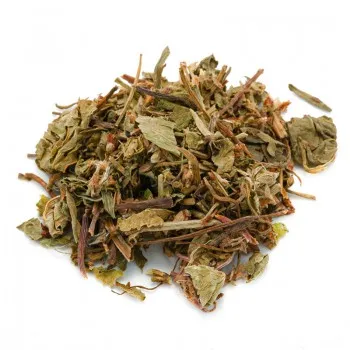
Botanical name: Achillea millefolium L. Common vernacular names: yarrow, dogwood, soldier's herb, stagnasangue Properties and benefits: this plant is used to improve problems related to digestion, including spasms affecting the gastrointestinal system, inflammation of the gastric mucosa, nausea and lack of appetite.The plant is then used to promote the onset of the menstrual cycle and regularize menstruation.It has anti-inflammatory and antispasmodic effects (useful for soothing the pain of menstrual cramps)Yarrow preparations are also recommended to reduce blood pressure, often in combination with other remedies indicated for hypertension such as hawthorn.The infusion also proves useful for varicose veins and phlebitis and is used to speed wound healing. (This product may undergo a natural variation in weight.) In 100 g, 200 g or 500 g package
€4.40Price
Botanical name: Achillea millefolium L. Common vernacular names: yarrow, dogwood, soldier's herb, stagnasangue Properties and benefits: this plant is used to improve problems related to digestion, including spasms affecting the gastrointestinal system, inflammation of the gastric mucosa, nausea and lack of appetite.The plant is then used to promote the onset of the menstrual cycle and regularize menstruation.It has anti-inflammatory and antispasmodic effects (useful for soothing the pain of menstrual cramps)Yarrow preparations are also recommended to reduce blood pressure, often in combination with other remedies indicated for hypertension such as hawthorn.The infusion also proves useful for varicose veins and phlebitis and is used to speed wound healing. (This product may undergo a natural variation in weight.) In 100 g, 200 g or 500 g package
Botanical name: Achillea millefolium L. Common vernacular names: yarrow, dogwood, soldier's herb, stagnasangue Properties and benefits: this plant is used to improve problems related to digestion, including spasms affecting the gastrointestinal system, inflammation of the gastric mucosa, nausea and lack of appetite.The plant is then used to promote the onset of the menstrual cycle and regularize menstruation.It has anti-inflammatory and antispasmodic effects (useful for soothing the pain of menstrual cramps)Yarrow preparations are also recommended to reduce blood pressure, often in combination with other remedies indicated for hypertension such as hawthorn.The infusion also proves useful for varicose veins and phlebitis and is used to speed wound healing. (This product may undergo a natural variation in weight.) In 100 g, 200 g or 500 g package
€4.40Price
Preparation of infusion: 2 teaspoons of seeds crushed and allowed to steep (for about 10-15 minutes) in a cup of boiling water. Strain and drink 2-3 cups daily. Contraindications: The literature reports no particular toxic effects at the indicated doses, except for individual sensitivities to the plant. Take special care in case of allergy to Asteraceae and Apiaceae (cross-allergy).
€2.60Price
Preparation of infusion: 2 teaspoons of seeds crushed and allowed to steep (for about 10-15 minutes) in a cup of boiling water. Strain and drink 2-3 cups daily. Contraindications: The literature reports no particular toxic effects at the indicated doses, except for individual sensitivities to the plant. Take special care in case of allergy to Asteraceae and Apiaceae (cross-allergy).
€2.60Price

€2.60Price
Botanical name: Coriandrum sativum L. Properties and benefits:Deflating and digestive: thanks to its essential oil with spasmolytic action on the muscles of the digestive tract (useful to counteract aerophagia and meteorism).It stimulates digestion by preventing intestinal fermentation and gas formation. For this reason it is often used in digestive herbal teas. -- The seeds are used as a spice in various recipes or for making liqueurs. (This product may undergo a natural variation in weight) In 50 g, 100 g, 200 g package.
€2.60Price
Botanical name: Coriandrum sativum L. Properties and benefits:Deflating and digestive: thanks to its essential oil with spasmolytic action on the muscles of the digestive tract (useful to counteract aerophagia and meteorism).It stimulates digestion by preventing intestinal fermentation and gas formation. For this reason it is often used in digestive herbal teas. -- The seeds are used as a spice in various recipes or for making liqueurs. (This product may undergo a natural variation in weight) In 50 g, 100 g, 200 g package.
Botanical name: Coriandrum sativum L. Properties and benefits:Deflating and digestive: thanks to its essential oil with spasmolytic action on the muscles of the digestive tract (useful to counteract aerophagia and meteorism).It stimulates digestion by preventing intestinal fermentation and gas formation. For this reason it is often used in digestive herbal teas. -- The seeds are used as a spice in various recipes or for making liqueurs. (This product may undergo a natural variation in weight) In 50 g, 100 g, 200 g package.
€2.60Price
Preparation of decoction: one tablespoon of echinacea in 200 ml of cold water. Bring to a boil and keep for 5 minutes, then remove from heat and let steep for another 10 minutes. Contraindications: Echinacea preparations are generally considered safe, so when used at therapeutic doses, no side or undesirable effects are reported. Avoid in case of allergy to Asteraceae. Avoid use for long periods (at high doses and for a period of more than 8 weeks it can cause hepatotoxicity); it is a good idea to take breaks from intake so as not to overstimulate the immune system. Avoid in cases of liver failure. Contraindicated use in autoimmune diseases such as lupus, multiple sclerosis, AIDS, etc.
€7.80Price
Preparation of decoction: one tablespoon of echinacea in 200 ml of cold water. Bring to a boil and keep for 5 minutes, then remove from heat and let steep for another 10 minutes. Contraindications: Echinacea preparations are generally considered safe, so when used at therapeutic doses, no side or undesirable effects are reported. Avoid in case of allergy to Asteraceae. Avoid use for long periods (at high doses and for a period of more than 8 weeks it can cause hepatotoxicity); it is a good idea to take breaks from intake so as not to overstimulate the immune system. Avoid in cases of liver failure. Contraindicated use in autoimmune diseases such as lupus, multiple sclerosis, AIDS, etc.
€7.80Price
€7.80Price
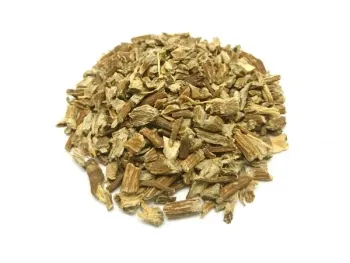
Botanical name: Echinacea purpurea (L.) Moench Properties and benefits:- Immunostimulant- Bacteriostatic- Anti-inflammatory- Healing Useful for: - Preventing influenza- Boosting the immune system (This product may undergo a natural variation in weight) In 100 g, 200 g or 500 g package
€7.80Price
Botanical name: Echinacea purpurea (L.) Moench Properties and benefits:- Immunostimulant- Bacteriostatic- Anti-inflammatory- Healing Useful for: - Preventing influenza- Boosting the immune system (This product may undergo a natural variation in weight) In 100 g, 200 g or 500 g package
Botanical name: Echinacea purpurea (L.) Moench Properties and benefits:- Immunostimulant- Bacteriostatic- Anti-inflammatory- Healing Useful for: - Preventing influenza- Boosting the immune system (This product may undergo a natural variation in weight) In 100 g, 200 g or 500 g package
€7.80Price
Preparation of infusion: Contraindications:
€3.40Price
Preparation of infusion: Contraindications:
€3.40Price
€3.40Price
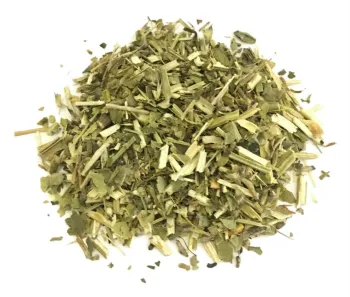
Botanical name: Vernal names: Properties and benefits: (This product may be subject to natural variation in weight) In 50 g, 100 g, 200 g or 500 g package
€3.40Price
Botanical name: Vernal names: Properties and benefits: (This product may be subject to natural variation in weight) In 50 g, 100 g, 200 g or 500 g package
Botanical name: Vernal names: Properties and benefits: (This product may be subject to natural variation in weight) In 50 g, 100 g, 200 g or 500 g package
€3.40Price
Contraindications: Hypersensitivity, Kidney problems (renal failure or renal edema), Heart problems, Pregnancy and breastfeeding, Children
Drug interactions: Avoid use in conjunction with diuretics and drugs for hypertension.
Sensitivity to nicotine: Horsetail contains small amounts of nicotine and may cause dermatitis/allergies in sensitive individuals
€6.20Price
Contraindications: Hypersensitivity, Kidney problems (renal failure or renal edema), Heart problems, Pregnancy and breastfeeding, Children
Drug interactions: Avoid use in conjunction with diuretics and drugs for hypertension.
Sensitivity to nicotine: Horsetail contains small amounts of nicotine and may cause dermatitis/allergies in sensitive individuals
€6.20Price

€6.20Price
Botanical name: Equisetum arvense.
Properties and benefits:
-remineralizing
- diuretic
- healing
- astringent
It is used to strengthen bones, nails and hair, treat urinary and kidney problems, and promote wound healing.
How to prepare the decoction:
Dosage: Use two level tablespoons of dried horsetail for every half liter of cold water.
Boiling: Bring the water to a boil and boil gently for 15-20 minutes.
Filtering: Filter the decoction to remove the herbs.
You can drink 1 to 3 cups a day.
(This product may undergo natural weight variation)
In 100 g, 200 g or 500 g packs
€6.20Price
Botanical name: Equisetum arvense.
Properties and benefits:
-remineralizing
- diuretic
- healing
- astringent
It is used to strengthen bones, nails and hair, treat urinary and kidney problems, and promote wound healing.
How to prepare the decoction:
Dosage: Use two level tablespoons of dried horsetail for every half liter of cold water.
Boiling: Bring the water to a boil and boil gently for 15-20 minutes.
Filtering: Filter the decoction to remove the herbs.
You can drink 1 to 3 cups a day.
(This product may undergo natural weight variation)
In 100 g, 200 g or 500 g packs
Botanical name: Equisetum arvense.
Properties and benefits:
-remineralizing
- diuretic
- healing
- astringent
It is used to strengthen bones, nails and hair, treat urinary and kidney problems, and promote wound healing.
How to prepare the decoction:
Dosage: Use two level tablespoons of dried horsetail for every half liter of cold water.
Boiling: Bring the water to a boil and boil gently for 15-20 minutes.
Filtering: Filter the decoction to remove the herbs.
You can drink 1 to 3 cups a day.
(This product may undergo natural weight variation)
In 100 g, 200 g or 500 g packs
€6.20Price
Infusion preparation: Steep 1 tablespoon of dried herb in a cup of boiling water. Strain and drink 2-3 cups daily. Sweeten with honey.
Contraindications: No side effects have been reported at therapeutic doses. Only with high doses and over long periods does a possible interaction with thyroid medications (methimazole and thyroxine) appear. Avoid use if you suffer from hypothyroidism. Avoid use if you have a personal sensitivity to the plant. As a precaution, it is not recommended during pregnancy or breastfeeding.
€3.40Price
Infusion preparation: Steep 1 tablespoon of dried herb in a cup of boiling water. Strain and drink 2-3 cups daily. Sweeten with honey.
Contraindications: No side effects have been reported at therapeutic doses. Only with high doses and over long periods does a possible interaction with thyroid medications (methimazole and thyroxine) appear. Avoid use if you suffer from hypothyroidism. Avoid use if you have a personal sensitivity to the plant. As a precaution, it is not recommended during pregnancy or breastfeeding.
€3.40Price
€3.40Price
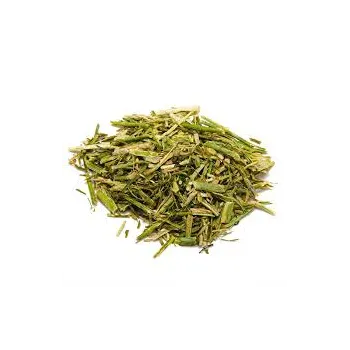
Botanical name: Sisymbrium officinale L. (synonym: Erysimum officinale L.)
Common names: Singer's herb, Crow's herb, Bittercress, Rapistogno, Barbena, Trionc, Alaussa, Rapino.
Properties and benefits:
- Anti-inflammatory
- Bechica (Cough suppressant)
- Fluidifying
- Emollient
- Antibacterial
Uses:
- Aphonia, voice loss
- Hoarseness
- Smoker's cough
- Laryngitis
- Pharyngitis
- Tracheitis
(This product may be subject to natural weight variations)
In 50g, 100g, 200g, or 500g packages
€3.40Price
Botanical name: Sisymbrium officinale L. (synonym: Erysimum officinale L.)
Common names: Singer's herb, Crow's herb, Bittercress, Rapistogno, Barbena, Trionc, Alaussa, Rapino.
Properties and benefits:
- Anti-inflammatory
- Bechica (Cough suppressant)
- Fluidifying
- Emollient
- Antibacterial
Uses:
- Aphonia, voice loss
- Hoarseness
- Smoker's cough
- Laryngitis
- Pharyngitis
- Tracheitis
(This product may be subject to natural weight variations)
In 50g, 100g, 200g, or 500g packages
Botanical name: Sisymbrium officinale L. (synonym: Erysimum officinale L.)
Common names: Singer's herb, Crow's herb, Bittercress, Rapistogno, Barbena, Trionc, Alaussa, Rapino.
Properties and benefits:
- Anti-inflammatory
- Bechica (Cough suppressant)
- Fluidifying
- Emollient
- Antibacterial
Uses:
- Aphonia, voice loss
- Hoarseness
- Smoker's cough
- Laryngitis
- Pharyngitis
- Tracheitis
(This product may be subject to natural weight variations)
In 50g, 100g, 200g, or 500g packages
€3.40Price
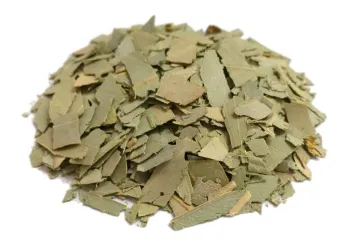
Preparation of infusion: put 1 tablespoon of dried herb in a cup of boiling water and let steep for about 10 minutes. Strain and drink 2 to 3 cups daily. Contraindications: use of eucalyptus leaf preparations may cause nausea, vomiting and diarrhea. Avoid intake in cases of gastritis, liver disease, during pregnancy, lactation and in children under 2 years of age. The essential oil should be used only externally and properly diluted. Inhalation of the essential oil is not recommended in people, especially children, with a tendency to bronchospasm or bronchial asthma, as it could trigger a respiratory crisis.
€3.15Price
Preparation of infusion: put 1 tablespoon of dried herb in a cup of boiling water and let steep for about 10 minutes. Strain and drink 2 to 3 cups daily. Contraindications: use of eucalyptus leaf preparations may cause nausea, vomiting and diarrhea. Avoid intake in cases of gastritis, liver disease, during pregnancy, lactation and in children under 2 years of age. The essential oil should be used only externally and properly diluted. Inhalation of the essential oil is not recommended in people, especially children, with a tendency to bronchospasm or bronchial asthma, as it could trigger a respiratory crisis.
€3.15Price
€3.15Price
Botanical name: Eucalyptus globulus Labill. Properties and benefits:- Expectorant, fluidizing, balsamic- Antiseptic of the respiratory and urinary tracts- Intestinal antiparasitic- Blandly hypoglycemic- Local hyperemizing (external use) (This product may undergo a natural variation in weight) In 50 g, 100 g, 200 g or 500 g package
€3.15Price
Botanical name: Eucalyptus globulus Labill. Properties and benefits:- Expectorant, fluidizing, balsamic- Antiseptic of the respiratory and urinary tracts- Intestinal antiparasitic- Blandly hypoglycemic- Local hyperemizing (external use) (This product may undergo a natural variation in weight) In 50 g, 100 g, 200 g or 500 g package
Botanical name: Eucalyptus globulus Labill. Properties and benefits:- Expectorant, fluidizing, balsamic- Antiseptic of the respiratory and urinary tracts- Intestinal antiparasitic- Blandly hypoglycemic- Local hyperemizing (external use) (This product may undergo a natural variation in weight) In 50 g, 100 g, 200 g or 500 g package
€3.15Price
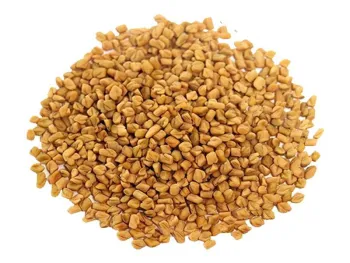
Preparation of infusion: put 1 tablespoon of dried seeds in a cup of boiling water for about 10 minutes. Strain and drink. Contraindications: no particular side effects are reported at the recommended doses, unless there is a particular individual sensitivity. Contraindicated if taking antidiabetic and anticoagulant drugs, in pregnancy and lactation.
€2.80Price
Preparation of infusion: put 1 tablespoon of dried seeds in a cup of boiling water for about 10 minutes. Strain and drink. Contraindications: no particular side effects are reported at the recommended doses, unless there is a particular individual sensitivity. Contraindicated if taking antidiabetic and anticoagulant drugs, in pregnancy and lactation.
€2.80Price
€2.80Price
Botanical name: Properties and benefits:- Tonic, restorative- Promotes triglyceride and cholesterol metabolism- Promotes sugar metabolism Uses:- Convalescence- Fatigue, asthenia- Leanness (stimulates appetite)- Hypercholesterolemia- Hyperglycemia (This product may undergo natural weight variation) In 50 g, 100 g, 200 g or 500 g package
€2.80Price
Botanical name: Properties and benefits:- Tonic, restorative- Promotes triglyceride and cholesterol metabolism- Promotes sugar metabolism Uses:- Convalescence- Fatigue, asthenia- Leanness (stimulates appetite)- Hypercholesterolemia- Hyperglycemia (This product may undergo natural weight variation) In 50 g, 100 g, 200 g or 500 g package
Botanical name: Properties and benefits:- Tonic, restorative- Promotes triglyceride and cholesterol metabolism- Promotes sugar metabolism Uses:- Convalescence- Fatigue, asthenia- Leanness (stimulates appetite)- Hypercholesterolemia- Hyperglycemia (This product may undergo natural weight variation) In 50 g, 100 g, 200 g or 500 g package
€2.80Price
Preparation of infusion: make an infusion with 1 tablespoon of dried fruits in a cup of boiling water. Let it steep for about 10 minutes then strain and drink 2 to 3 cups daily. It is advisable to chop the fruits before pouring into the boiling water to obtain a higher extraction of active ingredients. Contraindications: Use of the fruits at the recommended dosages does not result in toxicity risks. Do not take in cases of individual sensitivity and allergy to this plant. Avoid use for long periods of time.
€3.30Price
Preparation of infusion: make an infusion with 1 tablespoon of dried fruits in a cup of boiling water. Let it steep for about 10 minutes then strain and drink 2 to 3 cups daily. It is advisable to chop the fruits before pouring into the boiling water to obtain a higher extraction of active ingredients. Contraindications: Use of the fruits at the recommended dosages does not result in toxicity risks. Do not take in cases of individual sensitivity and allergy to this plant. Avoid use for long periods of time.
€3.30Price

€3.30Price
Botanical name: Foeniculum vulgare Mill. Common names: Wild fennel Properties and benefits:- Digestive- Carminative (counteracts formation of intestinal gas)- Galactagogue (promotes breast milk production)- Spasmolytic at gastric and intestinal levels- Intestinal antiseptic Useful for:- Meteorism, aerophagia, flatulence- Abdominal cramps (gastric and intestinal)- Slow and difficult digestion- Insufficient milk supply (together with raspberry leaves)- Menstrual insufficiency (This product may undergo a natural variation in weight) In 50 g, 100 g, 200 g or 500 g package
€3.30Price
Botanical name: Foeniculum vulgare Mill. Common names: Wild fennel Properties and benefits:- Digestive- Carminative (counteracts formation of intestinal gas)- Galactagogue (promotes breast milk production)- Spasmolytic at gastric and intestinal levels- Intestinal antiseptic Useful for:- Meteorism, aerophagia, flatulence- Abdominal cramps (gastric and intestinal)- Slow and difficult digestion- Insufficient milk supply (together with raspberry leaves)- Menstrual insufficiency (This product may undergo a natural variation in weight) In 50 g, 100 g, 200 g or 500 g package
Botanical name: Foeniculum vulgare Mill. Common names: Wild fennel Properties and benefits:- Digestive- Carminative (counteracts formation of intestinal gas)- Galactagogue (promotes breast milk production)- Spasmolytic at gastric and intestinal levels- Intestinal antiseptic Useful for:- Meteorism, aerophagia, flatulence- Abdominal cramps (gastric and intestinal)- Slow and difficult digestion- Insufficient milk supply (together with raspberry leaves)- Menstrual insufficiency (This product may undergo a natural variation in weight) In 50 g, 100 g, 200 g or 500 g package
€3.30Price
Preparation of infusion: steep 1 teaspoon of cloves in a cup of boiling water for about 10 minutes. Strain and drink 2-3 cups daily. Contraindications: the literature does not report any particular side effects or contraindications, except in cases of individual hypersensitivity. Do not use the essential oil for internal use unless advised by an expert. For external use, essential oil can be caustic on the skin, so it should not be used pure but diluted in a cream or vegetable oil. Avoid applying it to injured skin.
€4.35Price
Preparation of infusion: steep 1 teaspoon of cloves in a cup of boiling water for about 10 minutes. Strain and drink 2-3 cups daily. Contraindications: the literature does not report any particular side effects or contraindications, except in cases of individual hypersensitivity. Do not use the essential oil for internal use unless advised by an expert. For external use, essential oil can be caustic on the skin, so it should not be used pure but diluted in a cream or vegetable oil. Avoid applying it to injured skin.
€4.35Price

€4.35Price
Botanical name: Eugenia carophyllus Bull et H Properties and benefits:- Promotes regular gastro-intestinal motility and elimination of gas- Digestive- Purifying- Antioxidant- Local anesthetic- Balsamic Used for:- Slow and difficult digestion- Bloating, flatulence, aerophagia- Cooling disorders- Toothache- Oral cleansing (used for rinses) (This product may undergo a natural variation in weight) In 50 g, 100 g, 200 g or 500 g package
€4.35Price
Botanical name: Eugenia carophyllus Bull et H Properties and benefits:- Promotes regular gastro-intestinal motility and elimination of gas- Digestive- Purifying- Antioxidant- Local anesthetic- Balsamic Used for:- Slow and difficult digestion- Bloating, flatulence, aerophagia- Cooling disorders- Toothache- Oral cleansing (used for rinses) (This product may undergo a natural variation in weight) In 50 g, 100 g, 200 g or 500 g package
Botanical name: Eugenia carophyllus Bull et H Properties and benefits:- Promotes regular gastro-intestinal motility and elimination of gas- Digestive- Purifying- Antioxidant- Local anesthetic- Balsamic Used for:- Slow and difficult digestion- Bloating, flatulence, aerophagia- Cooling disorders- Toothache- Oral cleansing (used for rinses) (This product may undergo a natural variation in weight) In 50 g, 100 g, 200 g or 500 g package
€4.35Price
Preparation of infusion: put 1 large soup spoon in 500 ml cold water. Bring to a boil and simmer for about 10 minutes on low heat. Turn off and let stand for another 10 minutes, then strain and drink throughout the day. Contraindications: not recommended for people suffering from gastritis, stomach acidity, ulcer, hiatal hernia and esophagitis as it can exacerbate these problems. Contraindicated in pregnancy and lactation.
€4.65Price
Preparation of infusion: put 1 large soup spoon in 500 ml cold water. Bring to a boil and simmer for about 10 minutes on low heat. Turn off and let stand for another 10 minutes, then strain and drink throughout the day. Contraindications: not recommended for people suffering from gastritis, stomach acidity, ulcer, hiatal hernia and esophagitis as it can exacerbate these problems. Contraindicated in pregnancy and lactation.
€4.65Price

€4.65Price
Botanical name: Gentiana lutea L. Common names: Greater Gentian Properties and benefits:- Tonic-digestive/eupeptic- Antifermentative- Appetite stimulant- Liver stimulant Useful as a remedy for:- Long and difficult digestion- Poor digestion characterized by poor production of gastric juices- Postprandial heaviness, bloating, meteorism- Dyspepsia- Inappetence (This product may undergo a natural variation in weight) In 50 g, 100 g, 200 g or 500 g package
€4.65Price
Botanical name: Gentiana lutea L. Common names: Greater Gentian Properties and benefits:- Tonic-digestive/eupeptic- Antifermentative- Appetite stimulant- Liver stimulant Useful as a remedy for:- Long and difficult digestion- Poor digestion characterized by poor production of gastric juices- Postprandial heaviness, bloating, meteorism- Dyspepsia- Inappetence (This product may undergo a natural variation in weight) In 50 g, 100 g, 200 g or 500 g package
Botanical name: Gentiana lutea L. Common names: Greater Gentian Properties and benefits:- Tonic-digestive/eupeptic- Antifermentative- Appetite stimulant- Liver stimulant Useful as a remedy for:- Long and difficult digestion- Poor digestion characterized by poor production of gastric juices- Postprandial heaviness, bloating, meteorism- Dyspepsia- Inappetence (This product may undergo a natural variation in weight) In 50 g, 100 g, 200 g or 500 g package
€4.65Price
Preparation of infusion: put in a cup (250 ml), about 3-5 grams of leaves in herbal tea cut with boiling water. Allow to stand 10 miutes, strain and drink. Contraindications: when used at the recommended dosages, side effects are rare and consist of digestive disorders and migraines. It should not be taken together with drugs with anticoagulant and antiplatelet action (aspirin, warfarin, etc) or plants that affect blood clotting (garlic, willow, ginseng) as the effects can be enhanced with the risk of bleeding. It is not recommended for use before surgery. Contraindicated during pregnancy and lactation.
€4.20Price
Preparation of infusion: put in a cup (250 ml), about 3-5 grams of leaves in herbal tea cut with boiling water. Allow to stand 10 miutes, strain and drink. Contraindications: when used at the recommended dosages, side effects are rare and consist of digestive disorders and migraines. It should not be taken together with drugs with anticoagulant and antiplatelet action (aspirin, warfarin, etc) or plants that affect blood clotting (garlic, willow, ginseng) as the effects can be enhanced with the risk of bleeding. It is not recommended for use before surgery. Contraindicated during pregnancy and lactation.
€4.20Price

€4.20Price
Botanical name: Ginkgo biloba L. Properties and benefits:- Antioxidant- Promotes blood flow to the brain- Promotes memory and cognitive function- Stimulant of venous and arterial circulation- Cardiovascular protective- Promotes visual well-being- Antiplatelet, blood thinning Uses:- Capillary fragility- Disorders of venous and lymphatic circulation in the lower extremities: Swollen and heavy legs, cramps, hemorrhoids- Memory disturbances, dizziness, migraines, headaches- Ear ringing- Eye disorders- Senile dementia- Prevention of cardio-circulatory disorders, especially in at-risk individuals (This product may undergo a natural variation in weight) In 50 g, 100 g, 200 g or 500 g package
€4.20Price
Botanical name: Ginkgo biloba L. Properties and benefits:- Antioxidant- Promotes blood flow to the brain- Promotes memory and cognitive function- Stimulant of venous and arterial circulation- Cardiovascular protective- Promotes visual well-being- Antiplatelet, blood thinning Uses:- Capillary fragility- Disorders of venous and lymphatic circulation in the lower extremities: Swollen and heavy legs, cramps, hemorrhoids- Memory disturbances, dizziness, migraines, headaches- Ear ringing- Eye disorders- Senile dementia- Prevention of cardio-circulatory disorders, especially in at-risk individuals (This product may undergo a natural variation in weight) In 50 g, 100 g, 200 g or 500 g package
Botanical name: Ginkgo biloba L. Properties and benefits:- Antioxidant- Promotes blood flow to the brain- Promotes memory and cognitive function- Stimulant of venous and arterial circulation- Cardiovascular protective- Promotes visual well-being- Antiplatelet, blood thinning Uses:- Capillary fragility- Disorders of venous and lymphatic circulation in the lower extremities: Swollen and heavy legs, cramps, hemorrhoids- Memory disturbances, dizziness, migraines, headaches- Ear ringing- Eye disorders- Senile dementia- Prevention of cardio-circulatory disorders, especially in at-risk individuals (This product may undergo a natural variation in weight) In 50 g, 100 g, 200 g or 500 g package
€4.20Price
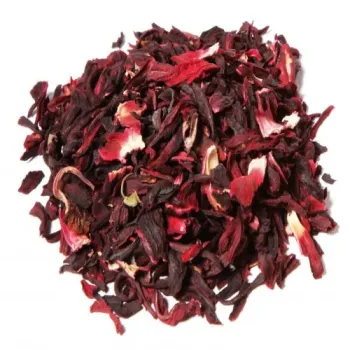
Preparation of infusion: put 1 tablespoon of dried leaves in a cup of boiling water for 10 minutes. Strain and drink 2-3 cups daily. Contraindications: no side effects are reported at the recommended dosages, except in case of individual allergy to the plant.
€3.15Price
Preparation of infusion: put 1 tablespoon of dried leaves in a cup of boiling water for 10 minutes. Strain and drink 2-3 cups daily. Contraindications: no side effects are reported at the recommended dosages, except in case of individual allergy to the plant.
€3.15Price
€3.15Price
Botanical name: Hibiscus sabdariffa L. Common names: Hibiscus Properties and benefits:- Mildly laxative- Vitaminizing, antioxidant- Vasoprotective Used for:- Constipation- Swollen and heavy legs- Capillary fragility- Asthenia (This product may undergo a natural variation in weight) In 50 g, 100 g, 200 g or 500 g package
€3.15Price
Botanical name: Hibiscus sabdariffa L. Common names: Hibiscus Properties and benefits:- Mildly laxative- Vitaminizing, antioxidant- Vasoprotective Used for:- Constipation- Swollen and heavy legs- Capillary fragility- Asthenia (This product may undergo a natural variation in weight) In 50 g, 100 g, 200 g or 500 g package
Botanical name: Hibiscus sabdariffa L. Common names: Hibiscus Properties and benefits:- Mildly laxative- Vitaminizing, antioxidant- Vasoprotective Used for:- Constipation- Swollen and heavy legs- Capillary fragility- Asthenia (This product may undergo a natural variation in weight) In 50 g, 100 g, 200 g or 500 g package
€3.15Price
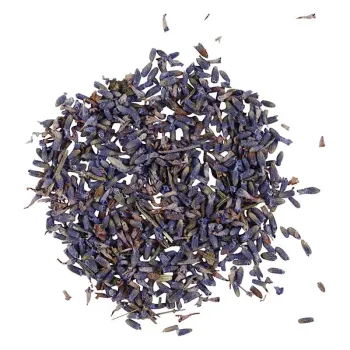
Preparing the infusion: put one tablespoon of dried herb in a cup of boiling water and let stand for 10 minutes. Strain and drink 2 to 3 cups daily. Contraindications: not recommended in pregnancy, lactation and in individuals with individual hypersensitivity to the plant. The essential oil should be used for internal use only under expert advice.
€4.20Price
Preparing the infusion: put one tablespoon of dried herb in a cup of boiling water and let stand for 10 minutes. Strain and drink 2 to 3 cups daily. Contraindications: not recommended in pregnancy, lactation and in individuals with individual hypersensitivity to the plant. The essential oil should be used for internal use only under expert advice.
€4.20Price
€4.20Price
Botanical name: Vernal names: Properties and benefits:- Relaxing, sedative- Spasmolytic- Antiseptic of the respiratory tract- Counteracts the formation of intestinal bloating and fermentation (carminative action)- 7.40Diuretic and disinfectant of the urinary tract Useful for:- Anxiety, agitation, irritability, nervousness- Spasms and pains of the stomach and intestines- Catarrhal and spastic affections of the respiratory tract- Poor digestion associated with bloating- Urinary tract infections (This product may undergo a natural variation in weight) In 50 g, 100 g, 200 g or 500 g package
€4.20Price
Botanical name: Vernal names: Properties and benefits:- Relaxing, sedative- Spasmolytic- Antiseptic of the respiratory tract- Counteracts the formation of intestinal bloating and fermentation (carminative action)- 7.40Diuretic and disinfectant of the urinary tract Useful for:- Anxiety, agitation, irritability, nervousness- Spasms and pains of the stomach and intestines- Catarrhal and spastic affections of the respiratory tract- Poor digestion associated with bloating- Urinary tract infections (This product may undergo a natural variation in weight) In 50 g, 100 g, 200 g or 500 g package
Botanical name: Vernal names: Properties and benefits:- Relaxing, sedative- Spasmolytic- Antiseptic of the respiratory tract- Counteracts the formation of intestinal bloating and fermentation (carminative action)- 7.40Diuretic and disinfectant of the urinary tract Useful for:- Anxiety, agitation, irritability, nervousness- Spasms and pains of the stomach and intestines- Catarrhal and spastic affections of the respiratory tract- Poor digestion associated with bloating- Urinary tract infections (This product may undergo a natural variation in weight) In 50 g, 100 g, 200 g or 500 g package
€4.20Price
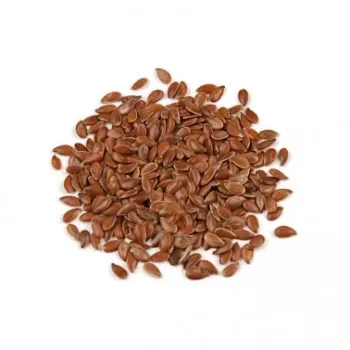
How to use: Flaxseed (whole or bruised): 5 g of seeds to steep for 30 minutes in at least 150 ml of water. Take with a glass of water 2-3 times a day. The effect begins after 18-24 hours. When flaxseeds are used to take advantage of their laxative effect, an appropriate amount of water is essential, otherwise intestinal obstruction may occur. Avoid prolonging flaxseed treatment beyond 3-4 weeks. Flaxseeds can also be taken in soup form: grind 1 tablespoon of seeds, let them sit in boiling water, and then combine them with a vegetable puree. Poultice: put 60 g of flax flour in 250 ml of water and cook for about 5 minutes until a fairly thick paste is obtained. Then apply to the chest as hot as possible, wrapping it in a cotton cloth and repeating the application several times (popular use to promote respiratory well-being) Contraindications: Flax seeds are generally considered safe, but it is very important to take them with an adequate amount of water to avoid the risk of intestinal obstruction. Avoid taking flaxseed if you have individual sensitivities to the plant or some of its components. Avoid taking them at the same time as medications as, due to their high mucilage content, they may cause a reduction in their absorption.
€2.80Price
How to use: Flaxseed (whole or bruised): 5 g of seeds to steep for 30 minutes in at least 150 ml of water. Take with a glass of water 2-3 times a day. The effect begins after 18-24 hours. When flaxseeds are used to take advantage of their laxative effect, an appropriate amount of water is essential, otherwise intestinal obstruction may occur. Avoid prolonging flaxseed treatment beyond 3-4 weeks. Flaxseeds can also be taken in soup form: grind 1 tablespoon of seeds, let them sit in boiling water, and then combine them with a vegetable puree. Poultice: put 60 g of flax flour in 250 ml of water and cook for about 5 minutes until a fairly thick paste is obtained. Then apply to the chest as hot as possible, wrapping it in a cotton cloth and repeating the application several times (popular use to promote respiratory well-being) Contraindications: Flax seeds are generally considered safe, but it is very important to take them with an adequate amount of water to avoid the risk of intestinal obstruction. Avoid taking flaxseed if you have individual sensitivities to the plant or some of its components. Avoid taking them at the same time as medications as, due to their high mucilage content, they may cause a reduction in their absorption.
€2.80Price
€2.80Price
Botanical name: Linum usitatissimum L. Properties and benefits:- Mildly laxative (due to mucilage, which draws water back into the intestinal lumen, forming a voluminous gel that stimulates peristaltic movements- Hypocholesterolemic (due to the high omega-3 content of flax oil) Used for:- Constipation- High cholesterol (This product may undergo a natural weight variation) In 100 g, 200 g or 500 g packages
€2.80Price
Botanical name: Linum usitatissimum L. Properties and benefits:- Mildly laxative (due to mucilage, which draws water back into the intestinal lumen, forming a voluminous gel that stimulates peristaltic movements- Hypocholesterolemic (due to the high omega-3 content of flax oil) Used for:- Constipation- High cholesterol (This product may undergo a natural weight variation) In 100 g, 200 g or 500 g packages
Botanical name: Linum usitatissimum L. Properties and benefits:- Mildly laxative (due to mucilage, which draws water back into the intestinal lumen, forming a voluminous gel that stimulates peristaltic movements- Hypocholesterolemic (due to the high omega-3 content of flax oil) Used for:- Constipation- High cholesterol (This product may undergo a natural weight variation) In 100 g, 200 g or 500 g packages
€2.80Price
Preparation of infusion: put one tablespoon of dried root in a cup of boiling water and let steep for about 10 minutes. Strain and drink 2-3 cups daily. Contraindications: with regard to side or undesirable effects, for health purposes it is not recommended to take it for prolonged periods (maximum 4-6 weeks) and at a high dosage because, due to its mechanism of action, which causes an increase in renal cortisol, it can cause an enhancement of minerlcortidoid activity, resulting in excessive water and sodium retention and loss of potassium. The consequences of this can be hypertension, edema, arrhythmias and muscle weakness. Contraindicated in those with hypertension (high blood pressure), in pregnancy, lactation, chronic hepatopathy, in renal failure, cirrhosis of the liver and heart disease. In pediatric age (4 years and older) it should be consumed only as an expectorant and only in the form of aqueous preparations (herbal teas) at a dosage proportionate to the child's weight. Not recommended to be taken with oral contraceptives as these may increase its hypertensive effect (raises blood pressure). Avoid use together with corticosteroids and in heart patients being treated with diuretics. From a dietary perspective, licorice use should not exceed 100 mg per day as a flavor corrector, and no more than 50 g per day of licorice candy should be consumed.
€3.15Price
Preparation of infusion: put one tablespoon of dried root in a cup of boiling water and let steep for about 10 minutes. Strain and drink 2-3 cups daily. Contraindications: with regard to side or undesirable effects, for health purposes it is not recommended to take it for prolonged periods (maximum 4-6 weeks) and at a high dosage because, due to its mechanism of action, which causes an increase in renal cortisol, it can cause an enhancement of minerlcortidoid activity, resulting in excessive water and sodium retention and loss of potassium. The consequences of this can be hypertension, edema, arrhythmias and muscle weakness. Contraindicated in those with hypertension (high blood pressure), in pregnancy, lactation, chronic hepatopathy, in renal failure, cirrhosis of the liver and heart disease. In pediatric age (4 years and older) it should be consumed only as an expectorant and only in the form of aqueous preparations (herbal teas) at a dosage proportionate to the child's weight. Not recommended to be taken with oral contraceptives as these may increase its hypertensive effect (raises blood pressure). Avoid use together with corticosteroids and in heart patients being treated with diuretics. From a dietary perspective, licorice use should not exceed 100 mg per day as a flavor corrector, and no more than 50 g per day of licorice candy should be consumed.
€3.15Price

€3.15Price
Botanical name: Glycyrrhiza glabra L. Common vernacular names: Licorice, Regolizia, Regolissia, Dionizio, Maurizia, Sweet root, Sweet wood, Glycyrrhiza. Properties and benefits:- Expectorant and emollient of the respiratory tract- Cicatrizing and gastric protective- Blandly laxative- Anti-inflammatory (cortison like)- Antispasmodic- Antioxidant- Tonic Used for:- Catarrhal ailments of the respiratory tract- Irritations of the throat- Raucedine- Gastritis- Duodenal ulcer- Slow and difficult digestion- Aerophagia- Mild constipation (This product may undergo a natural variation in weight) In 50 g, 100 g, 200 g or 500 g package
€3.15Price
Botanical name: Glycyrrhiza glabra L. Common vernacular names: Licorice, Regolizia, Regolissia, Dionizio, Maurizia, Sweet root, Sweet wood, Glycyrrhiza. Properties and benefits:- Expectorant and emollient of the respiratory tract- Cicatrizing and gastric protective- Blandly laxative- Anti-inflammatory (cortison like)- Antispasmodic- Antioxidant- Tonic Used for:- Catarrhal ailments of the respiratory tract- Irritations of the throat- Raucedine- Gastritis- Duodenal ulcer- Slow and difficult digestion- Aerophagia- Mild constipation (This product may undergo a natural variation in weight) In 50 g, 100 g, 200 g or 500 g package
Botanical name: Glycyrrhiza glabra L. Common vernacular names: Licorice, Regolizia, Regolissia, Dionizio, Maurizia, Sweet root, Sweet wood, Glycyrrhiza. Properties and benefits:- Expectorant and emollient of the respiratory tract- Cicatrizing and gastric protective- Blandly laxative- Anti-inflammatory (cortison like)- Antispasmodic- Antioxidant- Tonic Used for:- Catarrhal ailments of the respiratory tract- Irritations of the throat- Raucedine- Gastritis- Duodenal ulcer- Slow and difficult digestion- Aerophagia- Mild constipation (This product may undergo a natural variation in weight) In 50 g, 100 g, 200 g or 500 g package
€3.15Price
Contraindications: with regard to side or undesirable effects, for health purposes it is not recommended to take it for prolonged periods (maximum 4-6 weeks) and at a high dosage because, due to its mechanism of action, which causes an increase in renal cortisol, it can cause an enhancement of minerlcortidoid activity, resulting in excessive water and sodium retention and loss of potassium. The consequences of this can be hypertension, edema, arrhythmias and muscle weakness. Contraindicated in those with hypertension (high blood pressure), in pregnancy, lactation, chronic hepatopathy, in renal failure, cirrhosis of the liver and heart disease. In pediatric age (4 years and older) it should be consumed only as an expectorant and only in the form of aqueous preparations (herbal teas) at a dosage proportionate to the child's weight. Not recommended to be taken with oral contraceptives as these may increase its hypertensive effect (raises blood pressure). Avoid use together with corticosteroids and in heart patients being treated with diuretics. From a dietary perspective, licorice use should not exceed 100 mg per day as a flavor corrector, and no more than 50 g per day of licorice candy should be consumed.
€4.50Price
Contraindications: with regard to side or undesirable effects, for health purposes it is not recommended to take it for prolonged periods (maximum 4-6 weeks) and at a high dosage because, due to its mechanism of action, which causes an increase in renal cortisol, it can cause an enhancement of minerlcortidoid activity, resulting in excessive water and sodium retention and loss of potassium. The consequences of this can be hypertension, edema, arrhythmias and muscle weakness. Contraindicated in those with hypertension (high blood pressure), in pregnancy, lactation, chronic hepatopathy, in renal failure, cirrhosis of the liver and heart disease. In pediatric age (4 years and older) it should be consumed only as an expectorant and only in the form of aqueous preparations (herbal teas) at a dosage proportionate to the child's weight. Not recommended to be taken with oral contraceptives as these may increase its hypertensive effect (raises blood pressure). Avoid use together with corticosteroids and in heart patients being treated with diuretics. From a dietary perspective, licorice use should not exceed 100 mg per day as a flavor corrector, and no more than 50 g per day of licorice candy should be consumed.
€4.50Price

€4.50Price
Botanical name: Glycyrrhiza glabra L. Common vernacular names: Licorice, Regolizia, Regolissia, Dionizio, Maurizia, Sweet root, Sweet wood, Glycyrrhiza. Properties and benefits:- Expectorant and emollient of the respiratory tract- Cicatrizing and gastric protective- Blandly laxative- Anti-inflammatory (cortison like)- Antispasmodic- Antioxidant- Tonic Used for:- Catarrhal ailments of the respiratory tract- Irritations of the throat- Raucedine- Gastritis- Duodenal ulcer- Slow and difficult digestion- Aerophagia- Mild constipation (This product may undergo a natural variation in weight) In 20 g, 50 g, 100 g package
€4.50Price
Botanical name: Glycyrrhiza glabra L. Common vernacular names: Licorice, Regolizia, Regolissia, Dionizio, Maurizia, Sweet root, Sweet wood, Glycyrrhiza. Properties and benefits:- Expectorant and emollient of the respiratory tract- Cicatrizing and gastric protective- Blandly laxative- Anti-inflammatory (cortison like)- Antispasmodic- Antioxidant- Tonic Used for:- Catarrhal ailments of the respiratory tract- Irritations of the throat- Raucedine- Gastritis- Duodenal ulcer- Slow and difficult digestion- Aerophagia- Mild constipation (This product may undergo a natural variation in weight) In 20 g, 50 g, 100 g package
Botanical name: Glycyrrhiza glabra L. Common vernacular names: Licorice, Regolizia, Regolissia, Dionizio, Maurizia, Sweet root, Sweet wood, Glycyrrhiza. Properties and benefits:- Expectorant and emollient of the respiratory tract- Cicatrizing and gastric protective- Blandly laxative- Anti-inflammatory (cortison like)- Antispasmodic- Antioxidant- Tonic Used for:- Catarrhal ailments of the respiratory tract- Irritations of the throat- Raucedine- Gastritis- Duodenal ulcer- Slow and difficult digestion- Aerophagia- Mild constipation (This product may undergo a natural variation in weight) In 20 g, 50 g, 100 g package
€4.50Price
Preparation of infusion: steep 1 gram of dried leaves in 100 ml of water for a few minutes, then strain. Contraindications: not suitable for children or pregnant women. Avoid for people with bleeding disorders or those taking antiplatelet drugs, as it increases the risk of bleeding.
€5.50Price
Preparation of infusion: steep 1 gram of dried leaves in 100 ml of water for a few minutes, then strain. Contraindications: not suitable for children or pregnant women. Avoid for people with bleeding disorders or those taking antiplatelet drugs, as it increases the risk of bleeding.
€5.50Price
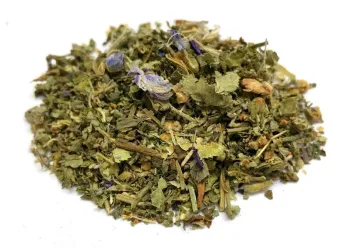
€5.50Price
Botanical name: Achillea millefolium L. Common vernacular names: yarrow, dogwood, soldier's herb, stagnasangue Properties and benefits: this plant is used to improve problems related to digestion, including spasms affecting the gastrointestinal system, inflammation of the gastric mucosa, nausea and lack of appetite.The plant is then used to promote the onset of the menstrual cycle and regularize menstruation.It has anti-inflammatory and antispasmodic effects (useful for soothing the pain of menstrual cramps)Yarrow preparations are also recommended to reduce blood pressure, often in combination with other remedies indicated for hypertension such as hawthorn.The infusion also proves useful for varicose veins and phlebitis and is used to speed wound healing. (This product may undergo a natural variation in weight.) In 100 g, 200 g or 500 g package
€5.50Price
Botanical name: Achillea millefolium L. Common vernacular names: yarrow, dogwood, soldier's herb, stagnasangue Properties and benefits: this plant is used to improve problems related to digestion, including spasms affecting the gastrointestinal system, inflammation of the gastric mucosa, nausea and lack of appetite.The plant is then used to promote the onset of the menstrual cycle and regularize menstruation.It has anti-inflammatory and antispasmodic effects (useful for soothing the pain of menstrual cramps)Yarrow preparations are also recommended to reduce blood pressure, often in combination with other remedies indicated for hypertension such as hawthorn.The infusion also proves useful for varicose veins and phlebitis and is used to speed wound healing. (This product may undergo a natural variation in weight.) In 100 g, 200 g or 500 g package
Botanical name: Achillea millefolium L. Common vernacular names: yarrow, dogwood, soldier's herb, stagnasangue Properties and benefits: this plant is used to improve problems related to digestion, including spasms affecting the gastrointestinal system, inflammation of the gastric mucosa, nausea and lack of appetite.The plant is then used to promote the onset of the menstrual cycle and regularize menstruation.It has anti-inflammatory and antispasmodic effects (useful for soothing the pain of menstrual cramps)Yarrow preparations are also recommended to reduce blood pressure, often in combination with other remedies indicated for hypertension such as hawthorn.The infusion also proves useful for varicose veins and phlebitis and is used to speed wound healing. (This product may undergo a natural variation in weight.) In 100 g, 200 g or 500 g package
€5.50Price
Preparation of infusion: put 1 tablespoon of dried herb in a cup of boiling water for 10 minutes. Strain and drink 2-3 cups daily. Contraindications: no side effects are reported at the recommended dosages, except in cases of individual allergy to the plant. At high dosages it may cause headache and nausea. Contraindicated in pregnancy and if taking anticoagulant drugs.
€3.00Price
Preparation of infusion: put 1 tablespoon of dried herb in a cup of boiling water for 10 minutes. Strain and drink 2-3 cups daily. Contraindications: no side effects are reported at the recommended dosages, except in cases of individual allergy to the plant. At high dosages it may cause headache and nausea. Contraindicated in pregnancy and if taking anticoagulant drugs.
€3.00Price
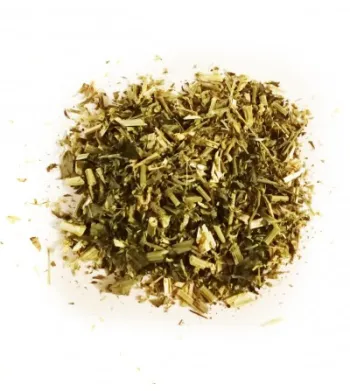
€3.00Price
Botanical name: Melilotus officinalis (L.) Lam. Common names: Properties and benefits:- Venotonic- Spasmolytic- Astringent- Relaxing Useful for:- Venous-lymphatic insufficiency- Swollen and heavy legs- Capillary fragility- Hemorrhoids- Mild sleep disorders (This product may be subject to natural variation in weight) In 50 g, 100 g, 200 g package.
€3.00Price
Botanical name: Melilotus officinalis (L.) Lam. Common names: Properties and benefits:- Venotonic- Spasmolytic- Astringent- Relaxing Useful for:- Venous-lymphatic insufficiency- Swollen and heavy legs- Capillary fragility- Hemorrhoids- Mild sleep disorders (This product may be subject to natural variation in weight) In 50 g, 100 g, 200 g package.
Botanical name: Melilotus officinalis (L.) Lam. Common names: Properties and benefits:- Venotonic- Spasmolytic- Astringent- Relaxing Useful for:- Venous-lymphatic insufficiency- Swollen and heavy legs- Capillary fragility- Hemorrhoids- Mild sleep disorders (This product may be subject to natural variation in weight) In 50 g, 100 g, 200 g package.
€3.00Price
Preparing the infusion: put one tablespoon of dried herb in a cup of boiling water and let stand for 10 minutes. Strain and drink 2 to 3 cups daily.
€3.50Price
Preparing the infusion: put one tablespoon of dried herb in a cup of boiling water and let stand for 10 minutes. Strain and drink 2 to 3 cups daily.
€3.50Price
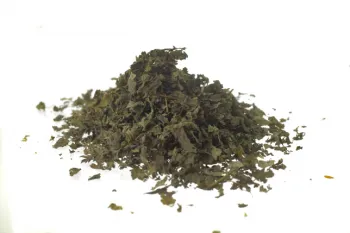
€3.50Price
Botanical name: Melissa officinalis L. Folk names: Lemongrass, Lemongrass, Lemongrass, Mint de abis, Fior d'ap, Cedargrass, Lemongrass. Properties and benefits:- Relaxing, sedative- Relieves spasms of the digestive system- Promotes digestion- Counteracts bloating and fermentation (carminative action)- Antioxidant- Antinausea Useful for:- Digestive disorders of psychosomatic origin- Spasms and pains of the stomach and intestines- Bloating and meteorism- Anxiety, nervousness, irritability- Palpitations resulting from stress- Nausea, vomiting, motion sickness, seasickness (This product may undergo a natural variation in weight) In 50 g, 100 g, 200 g, 500 g package
€3.50Price
Botanical name: Melissa officinalis L. Folk names: Lemongrass, Lemongrass, Lemongrass, Mint de abis, Fior d'ap, Cedargrass, Lemongrass. Properties and benefits:- Relaxing, sedative- Relieves spasms of the digestive system- Promotes digestion- Counteracts bloating and fermentation (carminative action)- Antioxidant- Antinausea Useful for:- Digestive disorders of psychosomatic origin- Spasms and pains of the stomach and intestines- Bloating and meteorism- Anxiety, nervousness, irritability- Palpitations resulting from stress- Nausea, vomiting, motion sickness, seasickness (This product may undergo a natural variation in weight) In 50 g, 100 g, 200 g, 500 g package
Botanical name: Melissa officinalis L. Folk names: Lemongrass, Lemongrass, Lemongrass, Mint de abis, Fior d'ap, Cedargrass, Lemongrass. Properties and benefits:- Relaxing, sedative- Relieves spasms of the digestive system- Promotes digestion- Counteracts bloating and fermentation (carminative action)- Antioxidant- Antinausea Useful for:- Digestive disorders of psychosomatic origin- Spasms and pains of the stomach and intestines- Bloating and meteorism- Anxiety, nervousness, irritability- Palpitations resulting from stress- Nausea, vomiting, motion sickness, seasickness (This product may undergo a natural variation in weight) In 50 g, 100 g, 200 g, 500 g package
€3.50Price
Preparation of infusion: steep 1 tablespoon of dried leaves in a cup of water for 10 minutes, then strain. Drink 2 to 3 cups daily Contraindications: avoid if you suffer from gastro-oesophageal reflux, hyperacidity, hiatal hernia and ulcer as it may accentuate the problem. Not recommended in people with favism due to lack of the enzyme that metabolizes menthol. Not recommended in pregnancy and lactation.
€8.20Price
Preparation of infusion: steep 1 tablespoon of dried leaves in a cup of water for 10 minutes, then strain. Drink 2 to 3 cups daily Contraindications: avoid if you suffer from gastro-oesophageal reflux, hyperacidity, hiatal hernia and ulcer as it may accentuate the problem. Not recommended in people with favism due to lack of the enzyme that metabolizes menthol. Not recommended in pregnancy and lactation.
€8.20Price
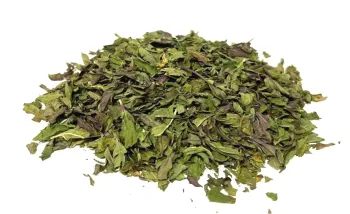
€8.20Price
Botanical name: Mentha x piperita L. Common vernacular names: Peppermint, Peppermint devil mint, Peppermint piperine. Properties and benefits: Dissolves spasms of the digestive system Promotes digestion Counteracts bloating and fermentation (carminative action) Promotes production and outflow of bile (choleretic and cholagogue action) Antiseptic, anti-inflammatory Promotes fluidization and elimination of excess phlegm (expectorant and mucolytic action) Tonic-stimulant Useful as a natural remedy in cases of: Slow and difficult digestion Bloating, meteorism, aerophagia Irritable bowel, colitis Cooling illnesses: colds, coughs, sore throats, flu states Fatigue, asthenia Low blood pressure (This product may undergo a natural variation in weight) In 100 g, 200 g or 500 g package
€8.20Price
Botanical name: Mentha x piperita L. Common vernacular names: Peppermint, Peppermint devil mint, Peppermint piperine. Properties and benefits: Dissolves spasms of the digestive system Promotes digestion Counteracts bloating and fermentation (carminative action) Promotes production and outflow of bile (choleretic and cholagogue action) Antiseptic, anti-inflammatory Promotes fluidization and elimination of excess phlegm (expectorant and mucolytic action) Tonic-stimulant Useful as a natural remedy in cases of: Slow and difficult digestion Bloating, meteorism, aerophagia Irritable bowel, colitis Cooling illnesses: colds, coughs, sore throats, flu states Fatigue, asthenia Low blood pressure (This product may undergo a natural variation in weight) In 100 g, 200 g or 500 g package
Botanical name: Mentha x piperita L. Common vernacular names: Peppermint, Peppermint devil mint, Peppermint piperine. Properties and benefits: Dissolves spasms of the digestive system Promotes digestion Counteracts bloating and fermentation (carminative action) Promotes production and outflow of bile (choleretic and cholagogue action) Antiseptic, anti-inflammatory Promotes fluidization and elimination of excess phlegm (expectorant and mucolytic action) Tonic-stimulant Useful as a natural remedy in cases of: Slow and difficult digestion Bloating, meteorism, aerophagia Irritable bowel, colitis Cooling illnesses: colds, coughs, sore throats, flu states Fatigue, asthenia Low blood pressure (This product may undergo a natural variation in weight) In 100 g, 200 g or 500 g package
€8.20Price
Preparation of infusion: put 1 large level tablespoon of dried herb in a cup of boiling water and let steep for 10 minutes. Strain and drink 2 to 3 cups daily. Contraindications: no contraindications except cases of individual hypersensitivity to the plant.
€3.40Price
Preparation of infusion: put 1 large level tablespoon of dried herb in a cup of boiling water and let steep for 10 minutes. Strain and drink 2 to 3 cups daily. Contraindications: no contraindications except cases of individual hypersensitivity to the plant.
€3.40Price

€3.40Price
Botanical name: Urtica dioica L. Properties and benefits:- Diuretic and depurative (aerial part)- Remineralizing (aerial part)- Anti-inflammatory (aerial part)- Antianemic, restorative, tonic (aerial part)- Prostate cell inhibitor (root) Useful for:- Water retention, swelling and cellulite (aerial part)- Gout (aerial part)- Kidney and small kidney stones (aerial part)- Seasonal purification cycles (aerial part)- Pain, rheumatism, arthritis and arthritis (aerial part)- Osteoporosis and bone fractures (aerial part)- Anemia, fatigue and asthenia (aerial part)- Urinary tract infections (aerial part)- Enlarged and inflamed prostate (root) (This product may undergo a natural variation in weight) In 50 g, 100 g, 200 g or 500 g package
€3.40Price
Botanical name: Urtica dioica L. Properties and benefits:- Diuretic and depurative (aerial part)- Remineralizing (aerial part)- Anti-inflammatory (aerial part)- Antianemic, restorative, tonic (aerial part)- Prostate cell inhibitor (root) Useful for:- Water retention, swelling and cellulite (aerial part)- Gout (aerial part)- Kidney and small kidney stones (aerial part)- Seasonal purification cycles (aerial part)- Pain, rheumatism, arthritis and arthritis (aerial part)- Osteoporosis and bone fractures (aerial part)- Anemia, fatigue and asthenia (aerial part)- Urinary tract infections (aerial part)- Enlarged and inflamed prostate (root) (This product may undergo a natural variation in weight) In 50 g, 100 g, 200 g or 500 g package
Botanical name: Urtica dioica L. Properties and benefits:- Diuretic and depurative (aerial part)- Remineralizing (aerial part)- Anti-inflammatory (aerial part)- Antianemic, restorative, tonic (aerial part)- Prostate cell inhibitor (root) Useful for:- Water retention, swelling and cellulite (aerial part)- Gout (aerial part)- Kidney and small kidney stones (aerial part)- Seasonal purification cycles (aerial part)- Pain, rheumatism, arthritis and arthritis (aerial part)- Osteoporosis and bone fractures (aerial part)- Anemia, fatigue and asthenia (aerial part)- Urinary tract infections (aerial part)- Enlarged and inflamed prostate (root) (This product may undergo a natural variation in weight) In 50 g, 100 g, 200 g or 500 g package
€3.40Price
Preparation of infusion: Contraindications:
€3.30Price
Preparation of infusion: Contraindications:
€3.30Price
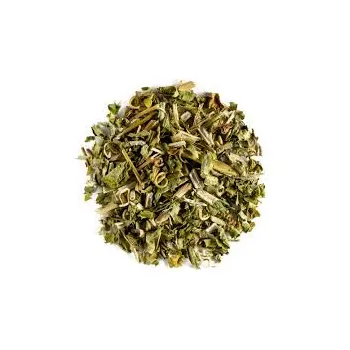
€3.30Price
Botanical name: Vernal names: Properties and benefits: (This product may undergo natural variation in weight) In 50 g, 100 g, 200 g package
€3.30Price
Botanical name: Vernal names: Properties and benefits: (This product may undergo natural variation in weight) In 50 g, 100 g, 200 g package
Botanical name: Vernal names: Properties and benefits: (This product may undergo natural variation in weight) In 50 g, 100 g, 200 g package
€3.30Price
Cold maceration: leave 1 tablespoon of Psyllium seeds (about 10 g) in 100 ml of water. Swallow it and drink immediately after a glass of water. Take preferably in the evening. Contraindications: Avoid taking at the same time as medications, as the mucilage may reduce absorption. As for possible side effects, avoid in case of individual sensitivity to the plant.
€3.20Price
Cold maceration: leave 1 tablespoon of Psyllium seeds (about 10 g) in 100 ml of water. Swallow it and drink immediately after a glass of water. Take preferably in the evening. Contraindications: Avoid taking at the same time as medications, as the mucilage may reduce absorption. As for possible side effects, avoid in case of individual sensitivity to the plant.
€3.20Price

€3.20Price
Botanical name: Plantago psyllium L. Properties and benefits: Mechanical laxative, osmotic: Psyllium seed mucilage draws water back into the intestine promoting the formation of a voluminous gel that increases bowel movement, thus facilitating evacuation. With this gentle and nonirritating mechanism, Psyllium helps regularize intestinal transit. Uses: - Constipation (This product may undergo a natural variation in weight) In 50 g, 100 g, 200 g or 500 g package
€3.20Price
Botanical name: Plantago psyllium L. Properties and benefits: Mechanical laxative, osmotic: Psyllium seed mucilage draws water back into the intestine promoting the formation of a voluminous gel that increases bowel movement, thus facilitating evacuation. With this gentle and nonirritating mechanism, Psyllium helps regularize intestinal transit. Uses: - Constipation (This product may undergo a natural variation in weight) In 50 g, 100 g, 200 g or 500 g package
Botanical name: Plantago psyllium L. Properties and benefits: Mechanical laxative, osmotic: Psyllium seed mucilage draws water back into the intestine promoting the formation of a voluminous gel that increases bowel movement, thus facilitating evacuation. With this gentle and nonirritating mechanism, Psyllium helps regularize intestinal transit. Uses: - Constipation (This product may undergo a natural variation in weight) In 50 g, 100 g, 200 g or 500 g package
€3.20Price
Preparation of infusion: put 2 large tablespoons of dried root in 500 ml of cold water. Bring to a boil and let simmer for about 10 minutes. Turn off, let stand for another 10 minutes, then strain. Drink 2 to 3 cups daily. Contraindications: it is not recommended to take for long periods because of the irritating action on the intestinal mucosa. It is contraindicated for use in cases of intestinal inflammation (Chron's disease, ulcerative colitis, appendicitis, etc.), in pregnancy, lactation and in pediatric age. Also, because of its oxalate content, it is best not to use it in cases of kidney stones.
€3.70Price
Preparation of infusion: put 2 large tablespoons of dried root in 500 ml of cold water. Bring to a boil and let simmer for about 10 minutes. Turn off, let stand for another 10 minutes, then strain. Drink 2 to 3 cups daily. Contraindications: it is not recommended to take for long periods because of the irritating action on the intestinal mucosa. It is contraindicated for use in cases of intestinal inflammation (Chron's disease, ulcerative colitis, appendicitis, etc.), in pregnancy, lactation and in pediatric age. Also, because of its oxalate content, it is best not to use it in cases of kidney stones.
€3.70Price
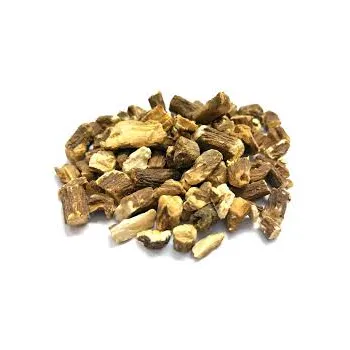
€3.70Price
Botanical name: Rheum officinale Baill. Common names:Properties and benefits:- Laxative and purgative (in high doses)- Digestive (in small doses)- Promotes production and release of bile (in small doses)- Depurative (in small doses) Useful for:- Constipation- Poor digestion (This product may undergo a natural variation in weight) In 50 g, 100 g, 200 g package
€3.70Price
Botanical name: Rheum officinale Baill. Common names:Properties and benefits:- Laxative and purgative (in high doses)- Digestive (in small doses)- Promotes production and release of bile (in small doses)- Depurative (in small doses) Useful for:- Constipation- Poor digestion (This product may undergo a natural variation in weight) In 50 g, 100 g, 200 g package
Botanical name: Rheum officinale Baill. Common names:Properties and benefits:- Laxative and purgative (in high doses)- Digestive (in small doses)- Promotes production and release of bile (in small doses)- Depurative (in small doses) Useful for:- Constipation- Poor digestion (This product may undergo a natural variation in weight) In 50 g, 100 g, 200 g package
€3.70Price
Preparation of infusion: put 1 tablespoon of dried berries in a cup of hot water and let steep for about 10 minutes. Strain and drink 2 to 3 cups daily. Contraindications: plant with no side effects and very safe even in children. Avoid use in cases of individual hypersensitivity to the plant.
€4.00Price
Preparation of infusion: put 1 tablespoon of dried berries in a cup of hot water and let steep for about 10 minutes. Strain and drink 2 to 3 cups daily. Contraindications: plant with no side effects and very safe even in children. Avoid use in cases of individual hypersensitivity to the plant.
€4.00Price

€4.00Price
Botanical name: Rosehip L. Properties and benefits:- Vitaminizing (berries)- Antioxidant, helps fight free radicals (berries)- Energetic and antiasthenic (berries)- Protective of microcirculation (berries)- Immunostimulant, promotes the body's natural defenses (buds)- Antiallergic (buds) Used for: - Vitamin C deficiency (berries)- Increased demand for vitamin C: Stress, intense athletic activity, pregnancy, colds, flu, smokers (berries)- Capillary fragility (berries)- Physical and mental fatigue and weakness (berries)- Adjuvant in the treatment and prevention of cold diseases of the respiratory tract, even in children (buds)- Allergic colds, sneezing, itchy eyes and ears, excessive tearing caused by allergies (buds) (This product may undergo a natural variation in weight) In 50 g, 100 g, 200 g or 500 g package
€4.00Price
Botanical name: Rosehip L. Properties and benefits:- Vitaminizing (berries)- Antioxidant, helps fight free radicals (berries)- Energetic and antiasthenic (berries)- Protective of microcirculation (berries)- Immunostimulant, promotes the body's natural defenses (buds)- Antiallergic (buds) Used for: - Vitamin C deficiency (berries)- Increased demand for vitamin C: Stress, intense athletic activity, pregnancy, colds, flu, smokers (berries)- Capillary fragility (berries)- Physical and mental fatigue and weakness (berries)- Adjuvant in the treatment and prevention of cold diseases of the respiratory tract, even in children (buds)- Allergic colds, sneezing, itchy eyes and ears, excessive tearing caused by allergies (buds) (This product may undergo a natural variation in weight) In 50 g, 100 g, 200 g or 500 g package
Botanical name: Rosehip L. Properties and benefits:- Vitaminizing (berries)- Antioxidant, helps fight free radicals (berries)- Energetic and antiasthenic (berries)- Protective of microcirculation (berries)- Immunostimulant, promotes the body's natural defenses (buds)- Antiallergic (buds) Used for: - Vitamin C deficiency (berries)- Increased demand for vitamin C: Stress, intense athletic activity, pregnancy, colds, flu, smokers (berries)- Capillary fragility (berries)- Physical and mental fatigue and weakness (berries)- Adjuvant in the treatment and prevention of cold diseases of the respiratory tract, even in children (buds)- Allergic colds, sneezing, itchy eyes and ears, excessive tearing caused by allergies (buds) (This product may undergo a natural variation in weight) In 50 g, 100 g, 200 g or 500 g package
€4.00Price
Preparation of infusion: steep 1 tablespoon of dried herb in a cup of boiling water for about 10 minutes. Strain and drink. 2-3 cups during the day. Contraindications: its use is not recommended during pregnancy, lactation and in case of individual allergy to the plant. Caution should be taken when using the fruit in food, especially if it is underripe. In fact, the seeds contain cyanogenetic glucosides that can cause intoxication with vomiting, diarrhea and abdominal cramps.
€4.00Price
Preparation of infusion: steep 1 tablespoon of dried herb in a cup of boiling water for about 10 minutes. Strain and drink. 2-3 cups during the day. Contraindications: its use is not recommended during pregnancy, lactation and in case of individual allergy to the plant. Caution should be taken when using the fruit in food, especially if it is underripe. In fact, the seeds contain cyanogenetic glucosides that can cause intoxication with vomiting, diarrhea and abdominal cramps.
€4.00Price
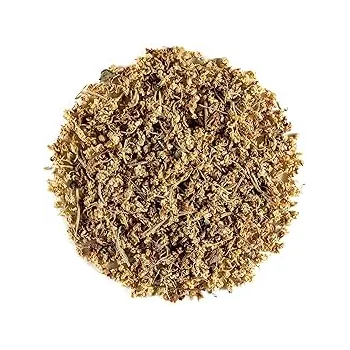
€4.00Price
Botanical name: Sambucus nigra L. Properties and benefits:- Diaphoretic, which stimulates sweating- Emollient and expectorant of the respiratory tract- Diuretic, promotes the elimination of excess fluids- Anti-inflammatory, antioxidant Used for:- Cooling illnesses: coughs, bronchitis, colds- Fever and flu-like conditions- Adjuvant in weight-loss diets (This product may undergo natural weight variation) In 50 g, 100 g, 200 g or 500 g packages
€4.00Price
Botanical name: Sambucus nigra L. Properties and benefits:- Diaphoretic, which stimulates sweating- Emollient and expectorant of the respiratory tract- Diuretic, promotes the elimination of excess fluids- Anti-inflammatory, antioxidant Used for:- Cooling illnesses: coughs, bronchitis, colds- Fever and flu-like conditions- Adjuvant in weight-loss diets (This product may undergo natural weight variation) In 50 g, 100 g, 200 g or 500 g packages
Botanical name: Sambucus nigra L. Properties and benefits:- Diaphoretic, which stimulates sweating- Emollient and expectorant of the respiratory tract- Diuretic, promotes the elimination of excess fluids- Anti-inflammatory, antioxidant Used for:- Cooling illnesses: coughs, bronchitis, colds- Fever and flu-like conditions- Adjuvant in weight-loss diets (This product may undergo natural weight variation) In 50 g, 100 g, 200 g or 500 g packages
€4.00Price
Preparation of infusion: put 1 tablespoon of dried herb in a cup of hot water and let steep for about 10 minutes. Strain and drink 1-2 cups a day. If a less irritating action is desired, the infusion can be prepared by placing the leaves in cold water and letting them steep for 10-12 hours. In fact, in this way the substances responsible for cramps at the gastroenteric level are extracted in smaller quantities. Contraindications: as for side effects, it can cause intestinal spasms and diarrhea. It is recommended not to use Senna for a period longer than 8-10 days as prolonged use in excessive amounts, due to its mechanism of action, can cause severe gastro-intestinal irritation, electrolyte loss and habituation with intestinal hypomotility to the point of atony. It is contraindicated for use in children under 12 years of age, during pregnancy, lactation and in cases of ulcerative colitis and diverticulitis. May interact with anti-arrhythmic drugs and diuretics.
€2.95Price
Preparation of infusion: put 1 tablespoon of dried herb in a cup of hot water and let steep for about 10 minutes. Strain and drink 1-2 cups a day. If a less irritating action is desired, the infusion can be prepared by placing the leaves in cold water and letting them steep for 10-12 hours. In fact, in this way the substances responsible for cramps at the gastroenteric level are extracted in smaller quantities. Contraindications: as for side effects, it can cause intestinal spasms and diarrhea. It is recommended not to use Senna for a period longer than 8-10 days as prolonged use in excessive amounts, due to its mechanism of action, can cause severe gastro-intestinal irritation, electrolyte loss and habituation with intestinal hypomotility to the point of atony. It is contraindicated for use in children under 12 years of age, during pregnancy, lactation and in cases of ulcerative colitis and diverticulitis. May interact with anti-arrhythmic drugs and diuretics.
€2.95Price

€2.95Price
Botanical name: Cassia angustifolia M. Vahl. Properties and benefits: Laxative, drastic purgative (depending on dose) Useful for:- Atonic and acute constipation- Preparation for instrumental bowel examinations (This product may undergo natural weight variation) In 50 g, 100 g, 200 g package
€2.95Price
Botanical name: Cassia angustifolia M. Vahl. Properties and benefits: Laxative, drastic purgative (depending on dose) Useful for:- Atonic and acute constipation- Preparation for instrumental bowel examinations (This product may undergo natural weight variation) In 50 g, 100 g, 200 g package
Botanical name: Cassia angustifolia M. Vahl. Properties and benefits: Laxative, drastic purgative (depending on dose) Useful for:- Atonic and acute constipation- Preparation for instrumental bowel examinations (This product may undergo natural weight variation) In 50 g, 100 g, 200 g package
€2.95Price
Preparation of infusion: boil 1 liter of water. Turn off and add 5 tablespoons of stone splitters. Keep infusing for 15 min. Drink during the day one cup at a time. Contraindications: splaccapietra herb has no contraindications if it is taken respecting the normal therapeutic doses, except, of course, for cases of individual hypersensitivity. As a precautionary measure, it is best not to take stonebreaker during pregnancy, lactation and pediatric age.
€6.20Price
Preparation of infusion: boil 1 liter of water. Turn off and add 5 tablespoons of stone splitters. Keep infusing for 15 min. Drink during the day one cup at a time. Contraindications: splaccapietra herb has no contraindications if it is taken respecting the normal therapeutic doses, except, of course, for cases of individual hypersensitivity. As a precautionary measure, it is best not to take stonebreaker during pregnancy, lactation and pediatric age.
€6.20Price
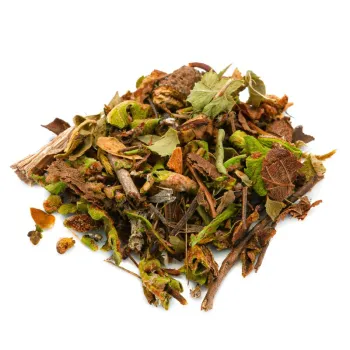
€6.20Price
Botanical name: Ceterach officinarum DC. Common vernacular names: Rust herb, Cedracca Properties and benefits:- Diuretic- antioxidant- anti-inflammatory- antilithiasis The main benefit of stone-breaking herb is to prevent and eliminate kidney stones. In addition to this property, stone-breaking herb is also recommended for:-Reducing inflammation- relieving spasms and pain- reducing fever- combating constipation- assisting in the elimination of viruses, bacteria and intestinal worms- increasing diuresis- combating water retention- reducing blood pressure- regulating blood sugar and cholesterol levels- improving digestion- purifying the liver. (This product may undergo a natural variation in weight.) In 50 g, 100 g, 200 g or 500 g package
€6.20Price
Botanical name: Ceterach officinarum DC. Common vernacular names: Rust herb, Cedracca Properties and benefits:- Diuretic- antioxidant- anti-inflammatory- antilithiasis The main benefit of stone-breaking herb is to prevent and eliminate kidney stones. In addition to this property, stone-breaking herb is also recommended for:-Reducing inflammation- relieving spasms and pain- reducing fever- combating constipation- assisting in the elimination of viruses, bacteria and intestinal worms- increasing diuresis- combating water retention- reducing blood pressure- regulating blood sugar and cholesterol levels- improving digestion- purifying the liver. (This product may undergo a natural variation in weight.) In 50 g, 100 g, 200 g or 500 g package
Botanical name: Ceterach officinarum DC. Common vernacular names: Rust herb, Cedracca Properties and benefits:- Diuretic- antioxidant- anti-inflammatory- antilithiasis The main benefit of stone-breaking herb is to prevent and eliminate kidney stones. In addition to this property, stone-breaking herb is also recommended for:-Reducing inflammation- relieving spasms and pain- reducing fever- combating constipation- assisting in the elimination of viruses, bacteria and intestinal worms- increasing diuresis- combating water retention- reducing blood pressure- regulating blood sugar and cholesterol levels- improving digestion- purifying the liver. (This product may undergo a natural variation in weight.) In 50 g, 100 g, 200 g or 500 g package
€6.20Price
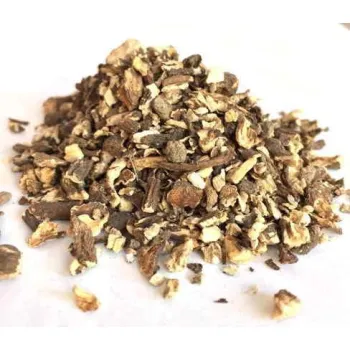
€7.80Price
Botanical name: Taraxacum officinale
Properties and benefits:
- Depurative, diuretic and digestive
- It is a source of vitamins and minerals
- Its active ingredients can support the health of the liver, kidneys and digestive system.
How to prepare the root decoction: boil 3-6 grams of dandelion root in water for about 5-10 minutes, then turn off the heat and leave to infuse for another 5-10 minutes. Filter and drink 3 cups a day.
Unlike herbal tea (or infusion), the decoction is a technique that is more suited to tough or lignified drugs such as bark, roots or seeds.
(This product may undergo a natural variation in weight)
In 100 g, 200 g or 500 g packs
€7.80Price
Botanical name: Taraxacum officinale
Properties and benefits:
- Depurative, diuretic and digestive
- It is a source of vitamins and minerals
- Its active ingredients can support the health of the liver, kidneys and digestive system.
How to prepare the root decoction: boil 3-6 grams of dandelion root in water for about 5-10 minutes, then turn off the heat and leave to infuse for another 5-10 minutes. Filter and drink 3 cups a day.
Unlike herbal tea (or infusion), the decoction is a technique that is more suited to tough or lignified drugs such as bark, roots or seeds.
(This product may undergo a natural variation in weight)
In 100 g, 200 g or 500 g packs
Botanical name: Taraxacum officinale
Properties and benefits:
- Depurative, diuretic and digestive
- It is a source of vitamins and minerals
- Its active ingredients can support the health of the liver, kidneys and digestive system.
How to prepare the root decoction: boil 3-6 grams of dandelion root in water for about 5-10 minutes, then turn off the heat and leave to infuse for another 5-10 minutes. Filter and drink 3 cups a day.
Unlike herbal tea (or infusion), the decoction is a technique that is more suited to tough or lignified drugs such as bark, roots or seeds.
(This product may undergo a natural variation in weight)
In 100 g, 200 g or 500 g packs
€7.80Price
Preparation of infusion: steep 1 gram of dried leaves in 100 ml of water for a few minutes, then strain. Contraindications: not suitable for children or pregnant women. Avoid for people with bleeding disorders or those taking antiplatelet drugs, as it increases the risk of bleeding.
€8.40Price
Preparation of infusion: steep 1 gram of dried leaves in 100 ml of water for a few minutes, then strain. Contraindications: not suitable for children or pregnant women. Avoid for people with bleeding disorders or those taking antiplatelet drugs, as it increases the risk of bleeding.
€8.40Price
€8.40Price
Botanical name: Achillea millefolium L. Common vernacular names: yarrow, dogwood, soldier's herb, stagnasangue Properties and benefits: this plant is used to improve problems related to digestion, including spasms affecting the gastrointestinal system, inflammation of the gastric mucosa, nausea and lack of appetite.The plant is then used to promote the onset of the menstrual cycle and regularize menstruation.It has anti-inflammatory and antispasmodic effects (useful for soothing the pain of menstrual cramps)Yarrow preparations are also recommended to reduce blood pressure, often in combination with other remedies indicated for hypertension such as hawthorn.The infusion also proves useful for varicose veins and phlebitis and is used to speed wound healing. (This product may undergo a natural variation in weight.) In 100 g, 200 g or 500 g package
€8.40Price
Botanical name: Achillea millefolium L. Common vernacular names: yarrow, dogwood, soldier's herb, stagnasangue Properties and benefits: this plant is used to improve problems related to digestion, including spasms affecting the gastrointestinal system, inflammation of the gastric mucosa, nausea and lack of appetite.The plant is then used to promote the onset of the menstrual cycle and regularize menstruation.It has anti-inflammatory and antispasmodic effects (useful for soothing the pain of menstrual cramps)Yarrow preparations are also recommended to reduce blood pressure, often in combination with other remedies indicated for hypertension such as hawthorn.The infusion also proves useful for varicose veins and phlebitis and is used to speed wound healing. (This product may undergo a natural variation in weight.) In 100 g, 200 g or 500 g package
Botanical name: Achillea millefolium L. Common vernacular names: yarrow, dogwood, soldier's herb, stagnasangue Properties and benefits: this plant is used to improve problems related to digestion, including spasms affecting the gastrointestinal system, inflammation of the gastric mucosa, nausea and lack of appetite.The plant is then used to promote the onset of the menstrual cycle and regularize menstruation.It has anti-inflammatory and antispasmodic effects (useful for soothing the pain of menstrual cramps)Yarrow preparations are also recommended to reduce blood pressure, often in combination with other remedies indicated for hypertension such as hawthorn.The infusion also proves useful for varicose veins and phlebitis and is used to speed wound healing. (This product may undergo a natural variation in weight.) In 100 g, 200 g or 500 g package
€8.40Price
Preparation of infusion: steep 1 tablespoon of dried herb in a cup of boiling water for about 10 minutes. Strain and drink 2-3 cups during the day. Contraindications: none at the recommended doses, except in cases of individual allergy to the plant. The use of the gemmoderivate is absolutely safe even in children and during pregnancy.
€4.50Price
Preparation of infusion: steep 1 tablespoon of dried herb in a cup of boiling water for about 10 minutes. Strain and drink 2-3 cups during the day. Contraindications: none at the recommended doses, except in cases of individual allergy to the plant. The use of the gemmoderivate is absolutely safe even in children and during pregnancy.
€4.50Price
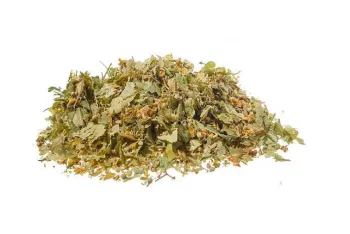
€4.50Price
Botanical name: Tilia platyphyllos Scop. Common vernacular names: Linte, Tilioel, Tiggiu, tii, tei, tel, teja, teglia, tiagin. Properties and benefits:- Emollient and antispasmodic of the respiratory tract- Promotes fluidization and elimination of excess phlegm- Calming of coughs- Diaphoretic: promotes sweating- Blandly relaxing Used for:- Catarrhal ailments of the respiratory tract: bronchitis, colds, flu-like conditions, fever- Agitation and restlessness (This product may undergo a natural variation in weight) In 50 g, 100 g, 200 g or 500 g package
€4.50Price
Botanical name: Tilia platyphyllos Scop. Common vernacular names: Linte, Tilioel, Tiggiu, tii, tei, tel, teja, teglia, tiagin. Properties and benefits:- Emollient and antispasmodic of the respiratory tract- Promotes fluidization and elimination of excess phlegm- Calming of coughs- Diaphoretic: promotes sweating- Blandly relaxing Used for:- Catarrhal ailments of the respiratory tract: bronchitis, colds, flu-like conditions, fever- Agitation and restlessness (This product may undergo a natural variation in weight) In 50 g, 100 g, 200 g or 500 g package
Botanical name: Tilia platyphyllos Scop. Common vernacular names: Linte, Tilioel, Tiggiu, tii, tei, tel, teja, teglia, tiagin. Properties and benefits:- Emollient and antispasmodic of the respiratory tract- Promotes fluidization and elimination of excess phlegm- Calming of coughs- Diaphoretic: promotes sweating- Blandly relaxing Used for:- Catarrhal ailments of the respiratory tract: bronchitis, colds, flu-like conditions, fever- Agitation and restlessness (This product may undergo a natural variation in weight) In 50 g, 100 g, 200 g or 500 g package
€4.50Price
Preparation of infusion: steep 1 tablespoon of dried herb in a cup of boiling water for about 10 minutes. Strain and drink 2-3 cups during the day. Contraindications: its use is not recommended during pregnancy and in case of individual allergy to the plant.
€2.95Price
Preparation of infusion: steep 1 tablespoon of dried herb in a cup of boiling water for about 10 minutes. Strain and drink 2-3 cups during the day. Contraindications: its use is not recommended during pregnancy and in case of individual allergy to the plant.
€2.95Price
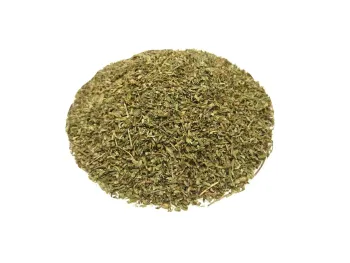
€2.95Price
Botanical name: Thymus vulgaris L. Common names:- Properties and benefits:- Antiseptic, antibacterial, antifugal and antioxidant- Cough soother- Mucolytic and expectorant: promotes fluidization and elimination of excess phlegm- Promotes bile production (choleretic action)- Improves digestive processes due to its ability to counteract the formation of gas and fermentation in the stomach and intestines Useful for:- Cooling illnesses of the respiratory tract- Halitosis- Digestive difficulties, bloating, meteorism- Intestinal parasitosis- Irritable colon- Urinary tract inflammation, cystitis (This product may undergo a natural variation in weight) In 50 g, 100 g, 200 g or 500 g package
€2.95Price
Botanical name: Thymus vulgaris L. Common names:- Properties and benefits:- Antiseptic, antibacterial, antifugal and antioxidant- Cough soother- Mucolytic and expectorant: promotes fluidization and elimination of excess phlegm- Promotes bile production (choleretic action)- Improves digestive processes due to its ability to counteract the formation of gas and fermentation in the stomach and intestines Useful for:- Cooling illnesses of the respiratory tract- Halitosis- Digestive difficulties, bloating, meteorism- Intestinal parasitosis- Irritable colon- Urinary tract inflammation, cystitis (This product may undergo a natural variation in weight) In 50 g, 100 g, 200 g or 500 g package
Botanical name: Thymus vulgaris L. Common names:- Properties and benefits:- Antiseptic, antibacterial, antifugal and antioxidant- Cough soother- Mucolytic and expectorant: promotes fluidization and elimination of excess phlegm- Promotes bile production (choleretic action)- Improves digestive processes due to its ability to counteract the formation of gas and fermentation in the stomach and intestines Useful for:- Cooling illnesses of the respiratory tract- Halitosis- Digestive difficulties, bloating, meteorism- Intestinal parasitosis- Irritable colon- Urinary tract inflammation, cystitis (This product may undergo a natural variation in weight) In 50 g, 100 g, 200 g or 500 g package
€2.95Price
Decoction preparation: 2 g of leaves in herbal tea cut in a cup of cold water, boil for 15 minutes. Strain and drink 2-3 cups daily. A teaspoon of baking soda may be added to the decoction to alkalize the urine. Contraindications: Avoid taking during pregnancy and lactation. Avoid in children under 12 years of age. Do not exceed the recommended daily dose. Avoid prolonged use. oral consumption of bearberry by adults is considered safe for short periods (not exceeding one month). Avoid in cases of individual sensitivity to the plant. Avoid simultaneous intake with Vitamin C, which, by acidifying the urine, would diminish the action of Bearberry. As for side or undesirable effects, remember that the presence of tannins may irritate the gastric mucosa, but the addition of Mint may help counteract this effect. It is therefore not recommended for use by gastro-sensitive people. The use of Bearberry preparations may cause urine to stain brownish-green (precisely because of the presence of hydroquinone).
€3.90Price
Decoction preparation: 2 g of leaves in herbal tea cut in a cup of cold water, boil for 15 minutes. Strain and drink 2-3 cups daily. A teaspoon of baking soda may be added to the decoction to alkalize the urine. Contraindications: Avoid taking during pregnancy and lactation. Avoid in children under 12 years of age. Do not exceed the recommended daily dose. Avoid prolonged use. oral consumption of bearberry by adults is considered safe for short periods (not exceeding one month). Avoid in cases of individual sensitivity to the plant. Avoid simultaneous intake with Vitamin C, which, by acidifying the urine, would diminish the action of Bearberry. As for side or undesirable effects, remember that the presence of tannins may irritate the gastric mucosa, but the addition of Mint may help counteract this effect. It is therefore not recommended for use by gastro-sensitive people. The use of Bearberry preparations may cause urine to stain brownish-green (precisely because of the presence of hydroquinone).
€3.90Price
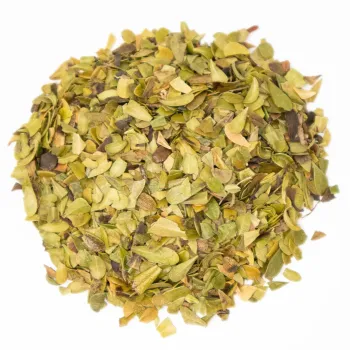
€3.90Price
Botanical name: Arctostaphylos uva-ursi (L.) Spreng. Properties and benefits:- Urinary antiseptic Used for:- Cystitis- Urethritis (This product may undergo a natural variation in weight) In 50 g, 100 g, 200 g or 500 g package.
€3.90Price
Botanical name: Arctostaphylos uva-ursi (L.) Spreng. Properties and benefits:- Urinary antiseptic Used for:- Cystitis- Urethritis (This product may undergo a natural variation in weight) In 50 g, 100 g, 200 g or 500 g package.
Botanical name: Arctostaphylos uva-ursi (L.) Spreng. Properties and benefits:- Urinary antiseptic Used for:- Cystitis- Urethritis (This product may undergo a natural variation in weight) In 50 g, 100 g, 200 g or 500 g package.
€3.90Price
Preparation of infusion: put one tablespoon of dried root in a cup of boiling water and let steep for about 10 minutes. Strain and drink 2-3 cups a day. Contraindications: at the recommended doses, the plant does not cause unwanted side effects, except in cases of individual hypersensitivity to the plant. Only in cases of overdose or prolonged use can headache, gastro-intestinal disturbances, drowsiness, difficulty waking up and hepatotoxicity occur. It has been found that a slight decrease in alertness may occur in the 2 hours after its intake, so if used during the day, it is good to keep this in mind before driving a vehicle.
€3.70Price
Preparation of infusion: put one tablespoon of dried root in a cup of boiling water and let steep for about 10 minutes. Strain and drink 2-3 cups a day. Contraindications: at the recommended doses, the plant does not cause unwanted side effects, except in cases of individual hypersensitivity to the plant. Only in cases of overdose or prolonged use can headache, gastro-intestinal disturbances, drowsiness, difficulty waking up and hepatotoxicity occur. It has been found that a slight decrease in alertness may occur in the 2 hours after its intake, so if used during the day, it is good to keep this in mind before driving a vehicle.
€3.70Price
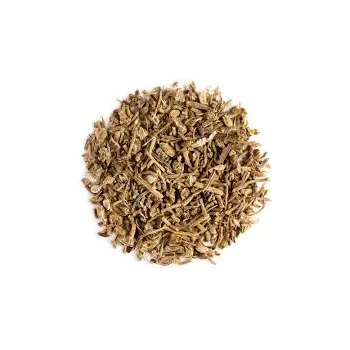
€3.70Price
Botanical name: Valeriana officinalis L. Common vernacular names: Catnip, Catnip, Amantilla, Vallariana, Baddariana, Wild spikenard, Gataria, Lemongrass. Properties and benefits:- Relaxing- Sedative- Spasmolytic- Slightly hypnotic Used for:- Nervousness- Agitation- Stress- Mild sleep disorders- Gastrointestinal tension of nervous origin- Migraines, headaches (This product may undergo a natural variation in weight) In 50 g, 100 g, 200 g or 500 g package
€3.70Price
Botanical name: Valeriana officinalis L. Common vernacular names: Catnip, Catnip, Amantilla, Vallariana, Baddariana, Wild spikenard, Gataria, Lemongrass. Properties and benefits:- Relaxing- Sedative- Spasmolytic- Slightly hypnotic Used for:- Nervousness- Agitation- Stress- Mild sleep disorders- Gastrointestinal tension of nervous origin- Migraines, headaches (This product may undergo a natural variation in weight) In 50 g, 100 g, 200 g or 500 g package
Botanical name: Valeriana officinalis L. Common vernacular names: Catnip, Catnip, Amantilla, Vallariana, Baddariana, Wild spikenard, Gataria, Lemongrass. Properties and benefits:- Relaxing- Sedative- Spasmolytic- Slightly hypnotic Used for:- Nervousness- Agitation- Stress- Mild sleep disorders- Gastrointestinal tension of nervous origin- Migraines, headaches (This product may undergo a natural variation in weight) In 50 g, 100 g, 200 g or 500 g package
€3.70Price