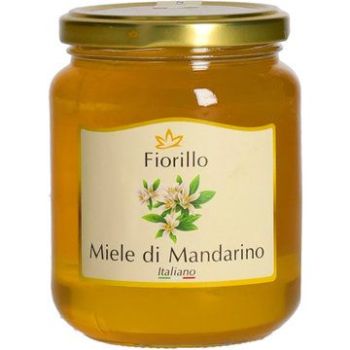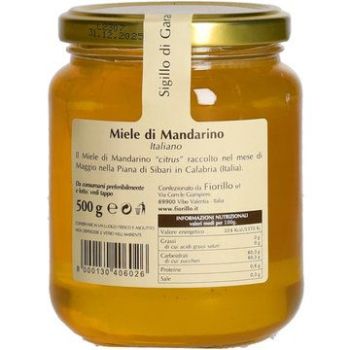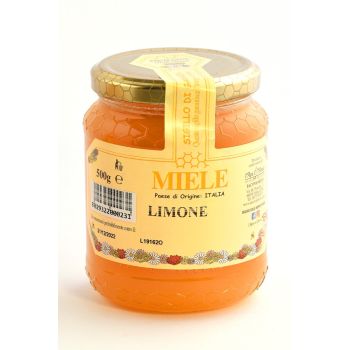
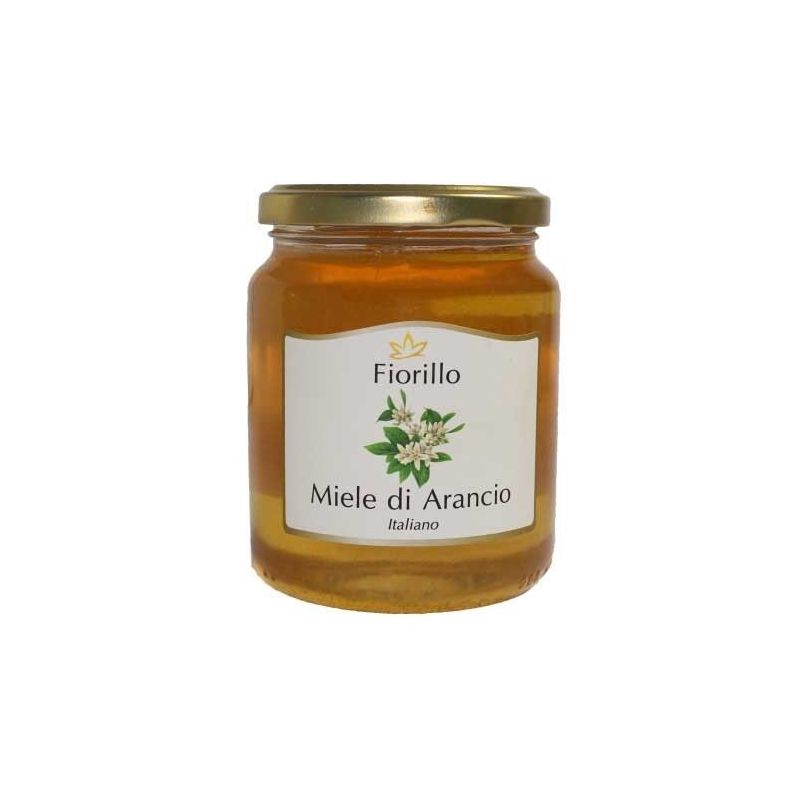








Orange "citrus" honey harvested in May in the citrus groves of the Gioia Tauro Plain in Calabria, Italy. The product may appear crystallized. Store cool and dry Country of production: Italy Average nutritional values per 100 g of product: Energy: 324 kcal/ 1375 kj Fat 0 g of which saturated 0 g Carbohydrates 80.3 g of which Sugars 80.3 g Protein: 0.6 g Salt 0.3 g
Orange honey, characterized by an intense and engaging aroma reminiscent of oranges, has a flavor that is instead delicate and in some cases slightly acidic, the color is very light, similar to a straw yellow. What properties does orange honey have? It has a relaxing and calming effect and is often recommended for relieving states of anxiety and counteracting headaches and insomnia. It is also believed to stimulate appetite, as well as aid digestion after an overly large meal. The Process of Honey CrystallizationAny honey can occur in the crystallized form with the exception of Acacia honey, Chestnut honey and honeydew honeys, which generally tend not to crystallize.Honey crystallization is a natural process that can occur over time. When honey contains more glucose than fructose, it is more likely to crystallize. Crystallization begins when glucose molecules aggregate to form crystals. These crystals spread through the honey, giving the solution a thicker, grainier consistency.The speed and extent of crystallization depend on various factors, including temperature and honey composition.Crystallization can take days to weeks to fully develop.
The Honey Crystallization Process Any honey can occur in the crystallized form with the exception of Acacia honey, Chestnut honey and honeydew honeys, which generally tend not to crystallize. Honey crystallization is a natural process that can occur over time. When honey contains more glucose than fructose, it is more likely to crystallize. Crystallization begins when glucose molecules aggregate to form crystals. These crystals diffuse through the honey, giving the solution a thicker, grainier consistency.The speed and extent of crystallization depend on various factors, including temperature and honey composition. Crystallization can take days to weeks to fully develop.
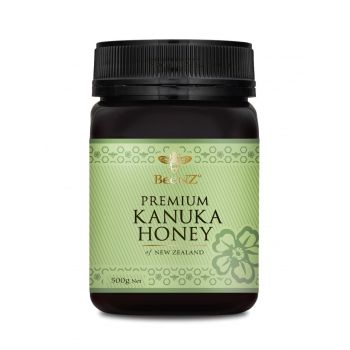
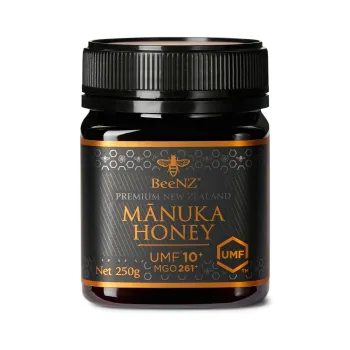
Manuka UMF® honey from New Zealand has become one of the most sought-after floral honeys, recognized internationally for its unique antimicrobial properties. In fact, Manuka honey is unique in that it contains antimicrobial compounds that are not found in any other floral honey. This uniqueness has led to the development of a testing regime to certify the concentration of these compounds known as "unique manuka factor" or UMF®. The BeeNZ LTD company produces UMF-certified New Zealand manuka honey, which is the certification that guarantees the three key elements for manuka honey's antibacterial action. These elements are: the DHA (didroxyacetone) which is a substance found in the manuka flower; the bee going on this flower transfers this compound into the honey, which through enzymes produced by the bee will be naturally transformed into MGO (methylglyoxal). the content of MGO expressed in myriagrams per kg (mg/kg) of methylglyoxal, with a minimum of 83 mg/kg up to a maximum of 829 mg/kg. the minimum content of LEPTOSINE which simply translated is the pollen exclusive to the MANUKA flower which must be a minimum of 70% of the total in the jar. This began in the late 1980s when a range of floral honeys began to be tested in laboratories at the University of Waikato in New Zealand and it was discovered that honey derived from Manuka plant species had remarkable antimicrobial properties. It was shown that while all honey contained an enzyme called glucose oxidase that itself has an antimicrobial effect when glucose oxidase releases hydrogen peroxide in the presence of body serum, however, Manuka honey had something extra that when glucose oxidase was removed it still had potent antimicrobial properties. This factor was described as non-peroxide activity, later known as "unique manuka factor" or UMF®. It was only many years later that the compound responsible for this unique antimicrobial factor was identified as methylglyoxal. While it was known that nectar collected from the Manuka species produced honey containing methylglyoxal, it was also discovered that there was wide variation in the concentration of methylglyoxal in Manuka honey samples from different regions, seasons, and density of Manuka plants in a given location. Once methylglyoxal was identified as the main compound that contributed to the antimicrobial level of Manuka honey, questions remained about its source since it was not present in the nectar of Manuka flowers. Research continued and it was shown that the methylglyoxal in New Zealand Manuka honey comes from the chemical compound dihydroxyacetone (DHA). When Manuka honey is produced fresh by bees, it contains high levels of dihydroxyacetone and low levels of methylglyoxal; this gradually reverses when naturally occurring proteins and amino acids gradually convert dihydroxyacetone to methylglyoxal. It was therefore necessary to create a measurement and certification system to quantify the antimicrobial efficacy of Manuka honey thus developing the measurement of this honey, known as the "unique manuka factor" or UMF®. The method used is to compare individual honey samples in a colony of bacteria with a known concentration of phenol, a common antiseptic used in the medical industry. By comparing the antimicrobial efficacy of Manuka honey samples with a concentration of phenol, Manuka honey has a classification that guarantees its efficacy. For example, a Manuka honey sample that had the same antimicrobial effect as 15% phenol concentration is certified as UMF® 15+. Manuka UMF honey in which an index higher than UMF®10 is detected is considered active, but laboratory studies have shown that Manuka honey having non-peroxide activity levels of UMF® 15, UMF® 20 or higher is indeed active on a wide range of bacteria.Several international studies have demonstrated the active action of Manuka UMF® honey in combating bacterial strains. Manuka UMF® honey is an extraordinary product, its unique value stemming from the presence of compounds such as hydrogen peroxide, the high level of methylglyoxal expressed in terms of UMF®, along with antioxidants, polyphenols, phenolic acids, flavonoids and bee substances, all of which are vital to our health.
The Honey Crystallization ProcessAny honey can occur in the crystallized form with the exception of Acacia honey, Chestnut honey and honeydew honeys, which generally tend not to crystallize.Honey crystallization is a natural process that can occur over time. When honey contains more glucose than fructose, it is more likely to crystallize. Crystallization begins when glucose molecules aggregate to form crystals. These crystals spread through the honey, giving the solution a thicker, grainier consistency.The speed and extent of crystallization depend on various factors, including temperature and honey composition.Crystallization can take days to weeks to fully develop.
APIVAR- Beehive strips for bees , 10-pack. product features in section (DOWNLOAD) How Apivar worksThe active ingredient amitraz has insecticidal and acaricidal activity by contact.It inhibits neuronal transmission causing neurotoxicity. The parasite becomes paralyzed and is eliminated naturally by gravity in the environment.Apivar is therefore indicated for the prevention and treatment of external parasite disorders due to Varroa jacobsoni or Varroa destructor.How to use ApivarUse 2 strips of Apivar per Beehive (10 frames). Separate the double stripand arrange each strip between two movable frames in the rearing chamberor between groups of bees, keeping a distance of two frames between one strip and the other. Suspend product treatment in the rearing chamber so that bees can move to both sides of the strip.
Orange "citrus" honey harvested in May in the citrus groves of the Gioia Tauro Plain in Calabria, Italy. The product may appear crystallized. Store cool and dry Country of production: Italy Average nutritional values per 100 g of product: Energy: 324 kcal/ 1375 kj Fat 0 g of which saturated 0 g Carbohydrates 80.3 g of which Sugars 80.3 g Protein: 0.6 g Salt 0.3 g